Programs & Groups
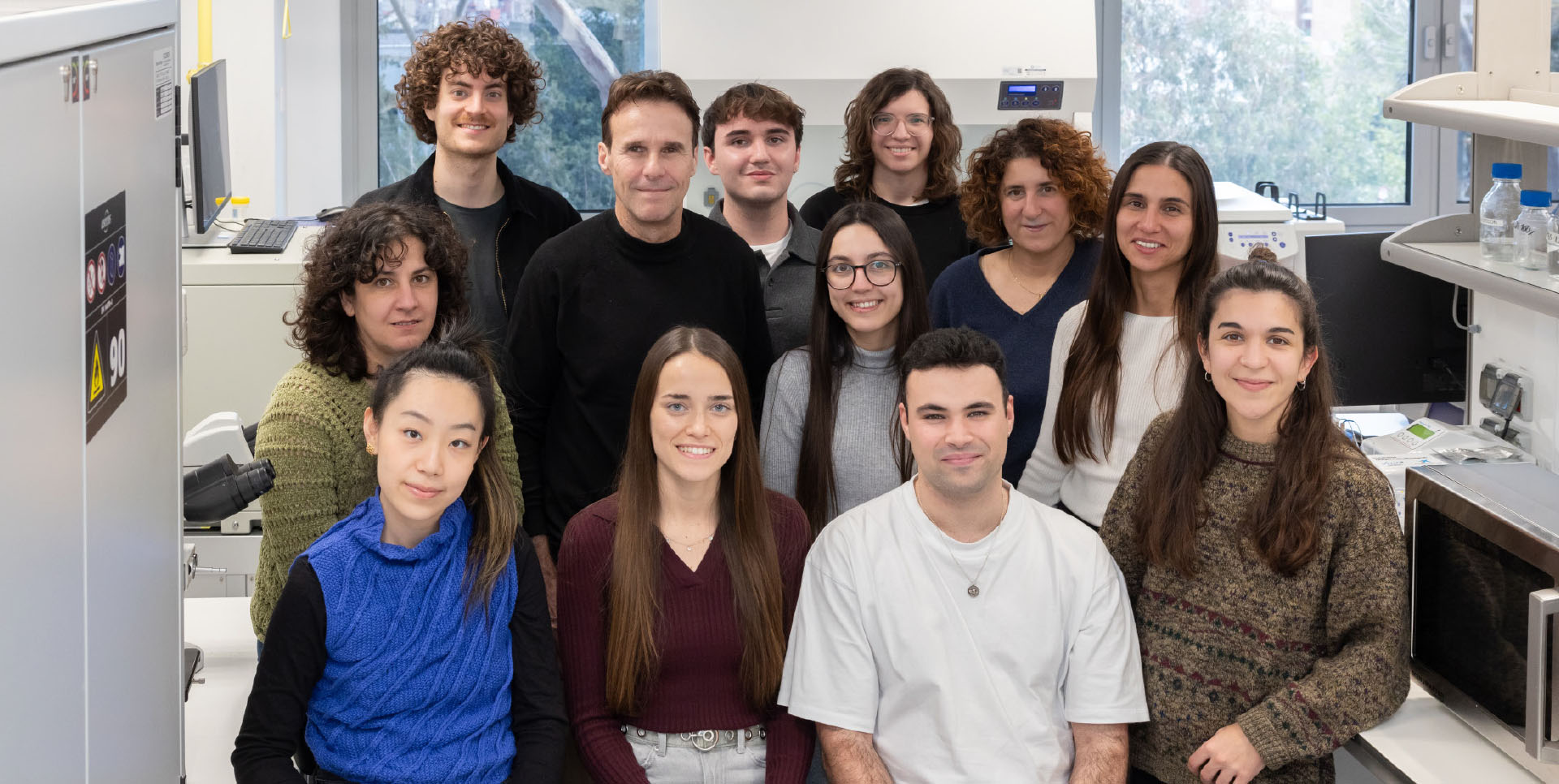
Group Leader Joaquín Arribas Postdoctoral Fellows Judith Anido, Marta Lalinde, Macarena Román Graduate Student Jade Liu Technicians Marta Escorihuela, Susana Maqueda, Sandra Perez Visiting Scientists Marta Bort, Judit Gago, Pau García Master’s Students Juanjo Gualde, Javier Orduña
Growth Factors Group
Our group continues advancing along two main research lines: the development of innovative HER2-targeted immunotherapies for solid tumors, and the mechanistic characterization of cellular senescence and its impact on tumor progression and immune regulation.
In 2025, our work on senescence was consolidated with the acceptance of Immunosuppressive macrophages determine the effect of cellular senescence on tumor progression (Lalinde-Gutiérrez et al. Sci Adv. 2026). In this study, we demonstrate that the impact of senescent cells on tumor progression is critically shaped by the immune microenvironment. We show that early elimination of senescent cells triggers the recruitment of immunosuppressive macrophages, which secrete CCL2 and amplify macrophage infiltration, promoting pro-tumorigenic and pro-metastatic effects. Importantly, CCL2 blockade abrogates this protumorigenic response and unveils a significant antitumor effect. These findings identify CCL2 as a central mediator linking senescence dynamics and macrophage-driven tumor progression, and provide a strong rationale for combining CCL2 inhibitors with senolytic strategies. This work opens new translational avenues that we are actively exploring to enable the safer and more effective implementation of senescence-targeting therapies.
In parallel, our HER2-targeted immunotherapy program reached a major translational milestone with the regulatory approval of the first-in-human clinical trial CATHERINE, which will evaluate our p95HER2-directed CAR T-cell therapy in patients. Preclinical validation in our expanded platform of HER2-positive patient-derived xenograft (PDX) models (including breast, endometrial, hepatobiliary, and pancreatic cancers) was instrumental in demonstrating efficacy and safety, and was key to securing regulatory authorization to advance into Phase I clinical testing. This approval represents the culmination of more than a decade of research following the identification and characterization of p95HER2 as a tumor-specific antigen and marks a critical step in translating our discoveries from bench to bedside.
Our expertise in CAR T-cell engineering has continued to expand during 2025, enabling the development of next-generation CAR strategies against additional solid tumor targets. We are also exploring the adaptation of CAR T-cell technology as a senolytic approach, further integrating our immunotherapy and senescence research lines to develop innovative cancer treatment strategies. In parallel, our HER2-positive patient-derived xenograft (PDX) platform has strengthened both the translational and collaborative dimensions of our research. These clinically relevant models have facilitated multiple extramural collaborations, including a recent study demonstrating that estrogen receptor signaling drives immune evasion and resistance to immunotherapy in hormone receptor–positive breast cancer by reshaping the tumor immune microenvironment (Palomeque JA et al., JCI 2025).
- Advance next-generation HER2-directed CAR T-cell therapies through early-phase clinical evaluation and expand next-generation CAR strategies to additional solid tumor targets.
- Define immune determinants governing senescence-driven tumor outcomes and develop rational combination approaches, including CCL2-targeted strategies, to optimize senolytic interventions.
- Leverage our patient-derived xenograft (PDX) platform to model therapeutic response, identify mechanisms of resistance to targeted and immunotherapies, and accelerate translational validation.
- Identification of the CCL2–macrophage axis as a key determinant of senescence-driven tumor progression. We demonstrated that early elimination of senescent cells can paradoxically promote tumor progression through recruitment of immunosuppressive macrophages, and that CCL2 blockade restores antitumor activity.
- Regulatory approval of the first-in-human CATHERINE clinical trial evaluating p95HER2.CAR-TECH2Me T cells. This milestone enables the clinical translation of our p95HER2-directed CAR T-cell therapy into Phase I testing in patients with advanced cancers.
- Expansion of HER2-positive patient-derived xenograft (PDX) models across tumor types, strengthening translational validation of HER2-targeted immunotherapies and enabling collaborative studies on immune resistance mechanisms.
- Initiate and conduct the phase I clinical evaluation of p95HER2.CAR-TECH2Me T cells (CATHERINE trial).
- The development of novel senolytic strategies, including exploring the rational combination senolytic strategies targeting the CCL2–macrophage axis to enhance therapeutic safety and efficacy.
- Generate and exploit immunocompetent HER2 humanized mouse models to evaluate anti-HER2 immunotherapies and immune-mediated mechanisms of response and resistance.
- Palomeque JÁ, Serra-Mir G, Blasco-Benito S, Brunel H, Torren-Duran P, Pérez-Núñez I, Cannatá C, Comerma L, Menendez S, Servitja S, Martos T, Castro M, Borges RL, López-Velazco JI, Manzano S, Duro-Sánchez S, Arribas J, Caffarel MM, Urruticoechea A, Seoane JA, Morey L, Albanell J, Celià-Terrassa T. Estrogen receptor signaling drives immune evasion and immunotherapy resistance in HR+ breast cancer. J Clin Invest. 2025 Nov 25;136(2):e193153.
- p95HER2-directed CAR T-cell therapy (CATHERINE trial) Clinical translation of next-generation HER2-targeted CAR T cells, including Phase I evaluation and continued preclinical optimization using our HER2-positive PDX platform.
- Immune regulation of senescence and rational senolytic strategies Mechanistic studies in senescence-driven tumor progression and development of combination approaches integrating senolytics using transgenic mouse model.
- Next-generation CAR engineering and translational modeling Expansion of CAR T-cell strategies to additional solid tumor targets and validation in PDX and immunocompetent models to study therapeutic response and resistance.
- Palomeque JÁ, Serra-Mir G, Blasco-Benito S, Brunel H, Torren-Duran P, Pérez-Núñez I, Cannatá C, Comerma L, Menendez S, Servitja S, Martos T, Castro M, Borges RL, López-Velazco JI, Manzano S, Duro-Sánchez S, Arribas J, Caffarel MM, Urruticoechea A, Seoane JA, Morey L, Albanell J, Celià-Terrassa T. Estrogen receptor signaling drives immune evasion and immunotherapy resistance in HR+ breast cancer. J Clin Invest. 2025 Nov 25;136(2):e193153.
- CATHERINE Trial: A Phase I Interventional Open-Label, Non-Randomized Dose-Escalation Trial to Evaluate the Safety, Tolerability, Pharmacokinetics, Pharmacodynamics, Immunogenicity, and Preliminary Anti-Tumor Activity of Autologous p95HER2.CAR-TECH2Me T Cells in Patients with Selected Advanced Cancers.
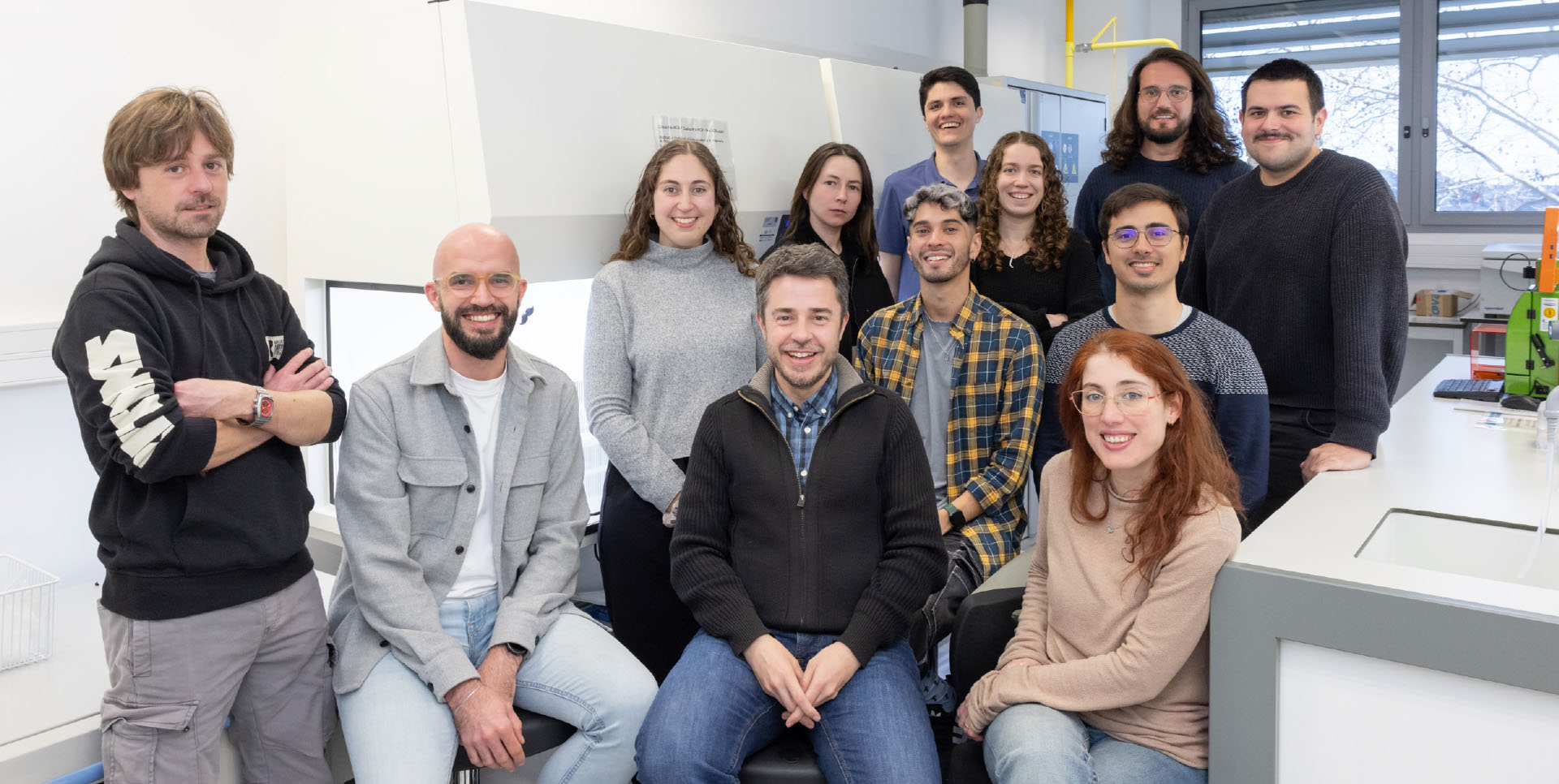
Group Leader César Serrano Oncologists Carlo M. Cicala, Davide Romandini Postdoctoral Fellow Paweł Sobczuk Predoctoral Fellows Jon Ander Aguirre Carrillo, Marc Arbonés Alba, Júlia Caparrós Mateos, David Gómez Peregrina, Yulia Kremlyakova, Gemma Mur Bonet, Iván Olivares Rivas, Tulio Silva Senior Technician Jordi Rosell Aluja Graduate Students Laia Conchillo Puigmolé, Nerea Garrido Pérez, Lian Shidong Porta Coll
Sarcoma Translational Research Group
Sarcoma encompasses >70 subtypes of mesenchymal origin, constituting 1-2% of all cancers. From a biological perspective, sarcomas can be classified into two broad categories: sarcomas driven by simple genetic alterations, such as translocations or specific activating mutations; and those with complex and unbalanced genomic profiles. Both include a broad diversity of entities, often with very different molecular characteristics, course of disease and therapeutic implications. Our group focuses on sarcoma translational research, with an emphasis on biological understanding of sarcomas oriented to biomarker and drug development.
Among these, gastrointestinal stromal tumors (GISTs) represent the most common malignant mesenchymal neoplasm and constitutes a paradigm model for studying oncogene addiction and identifying structural and functional mechanisms of response and resistance to treatment. In recent years, our work has advanced the understanding of the pathophysiological mechanisms of GIST and exposed critical insights on the complex evolution of KIT/PDGFRA driver mutations leading to therapy resistance through comprehensive analyses of tissue and liquid biopsy samples. Currently ongoing efforts on GIST include: 1) The GISTomics project—a European initiative led by our group—aims to advance insights into the landscape of GIST evolution; and 2) A real-world-based genomic and transcriptomic landscape in a cohort of 1,427 GIST cases, the largest series available to date. Leveraging our GIST knowledge, and thanks to funding received from the CRIS Excellence Program, we are expanding these insights into the broad spectrum of malignant neoplasms of mesenchymal origin, with a focus on chromosome instability (CIN).
As part of our translational efforts, we pursue the identification of critical molecular mediators of therapeutic adaptation and resistance in GIST. Our work involves the discovery and functional characterization of key molecular events that can be potentially targetable. These mediators range from signaling intermediates, to the unfolded protein response (UPR) and interactions with the tissue microenvironment (TME), all of which are involved in the sensitivity/resistance to KIT inhibition. In this sense, César Serrano’s twin lab at the Institute for Research in Biomedicine (IRB), within the TRIP Clinics program, expands these views to the fields of protein degradation and the ubiquitin-proteasome system. Additionally, we leverage multi-omic datasets to identify and characterize the patterns of progression of previously uncharacterized sarcoma subtypes.
Our aim is to have a true clinical impact by improving the daily treatment and care of our patients. We are proud that our Sarcoma Multidisciplinary Unit is a Spanish Health Ministry-designed referral center (CSUR), and we belong to the European Reference Network ERN-EURACAN, which therefore constitutes an optimal setting for translating cancer discovery into clinical benefits. In this sense, three highlights from 2025 include the regulatory approval of vimseltinib in patients with tenosynovial giant cell tumor (TGCT); the finalization of the phase III INSIGHT trial, which aims to validate in the clinic the use of ctDNA to guide therapeutic decisions in GIST (NCT05734105); and the leadership of an international-expert panel that has established the role of next-generation sequencing (NGS) in sarcomas (Serrano et al, JAMA Oncol 2025).
- Identification of critical molecular mediators of oncogenic signaling in sarcomas.
- Studying the patterns of chromosome instability (CIN) in sarcomas together with its role in tumor evolution and progression.
- Characterization of mechanisms of response and resistance to targeted therapies in sarcomas, including preclinical modelling and validation of therapeutic strategies for their translation to the clinic.
- Phase I to phase III studies for clinical drug development in sarcomas.
- Our group leads cutting edge studies toward the clinical implementation of liquid biopsy in gastrointestinal stromal tumor (GIST).
- We have received critical support from several funding bodies to study the evolutionary landscape of sarcomas.
- César Serrano is the Secretary of the Spanish Society of Medical Oncology (SEOM) and the scientific coordinator of SEOM’s Annual Meeting 2025.
- The support we receive from patients through the #SarcModel project enables us to generate preclinical models of most sarcoma subtypes.
- Identify novel patterns of sarcoma evolution and progression.
- Pursue ctDNA implementation in GIST to guide clinical decision making.
- Advance insights into the tumor microenvironment of sarcomas. These tumors are typically characterized by their ‘cold’ features.
- Preclinical and clinical drug development of novel compounds and/or combinations to transfer to the clinic.
- Guidelines for Next-Generation Sequencing in Sarcoma Diagnosis and Treatment: A Consensus Review. Serrano C, Bauer S, Blay JY, Casali PG, Cicala CM, Dei Tos AP, Digklia A, Gelderblom H, Italiano A, Jones RL, Kasper B, Kyriazoglou A, Le Loarer F, Martín-Broto J, Napolitano A, Rutkowski P, Stacchiotti S, Tap W, Thomas D, Thway K, Valverde C, van der Graaf WTA, Wardelmann E, Bovée JVMG. JAMA Oncol. 2025 Dec 1;11(12):1527-1537.
- Exploring the impact of NGS on diagnostics and treatment of sarcoma: insights from real-world data across multiple institutions in Europe. Kyriazoglou A, Zając A, Valverde C, Czarnecka AM, Błoński P, Romagosa C, Seliga KA, Koulouridi A, Mala A, Wągrodzki M, Silva TM, Witczak M, Ługowska I, Rosińska M, Álvarez R, Aguirre M, Tysarowski A, Kokkali S, Georgoulias V, Serrano C, Rutkowski P, Boukovinas I. ESMO Open. 2025 Sep;10(9):105577.
- Many paths, one destination: Bridging the gap in cancer care. Sahai E, Wang H, Kok M, Wu CJ, Shen L, Carpten J, Serrano C, Venkataramani V. Cancer Cell. 2025 Apr 14;43(4):577-580.
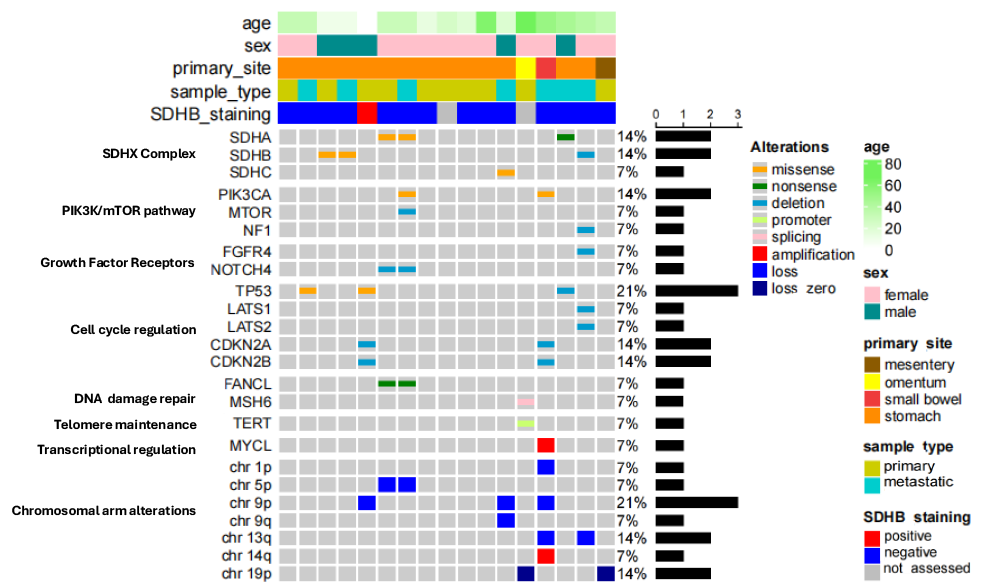
- Targeted Next-Generation Sequencing in Succinate Dehydrogenase-Deficient GI Stromal Tumor Identifies Actionable Alterations in the PI3K/mTOR Pathway. Cicala CM, Matito J, Quindos M, Gómez-Peregrina D, Romero-Lozano P, Fernández-Suárez P, Valverde C, González M, Landolfi S, Pérez-Albert P, Gros L, Vivancos A, Serrano C. JCO Precis Oncol. 2025 Jan;9:e2400497.
- César Serrano was Scientific Coordinator of the Spanish Society of Medical Oncology’s (SEOM) 2025 Annual Congress, 11-14 November, Madrid, Spain.
- Determinantes clínicos y moleculares de respuesta y progresión a la inhibición de KIT en pacientes con tumores del estroma gastrointestinal (GIST) con respuesta prolongada a Imatinib. Grupo Español de Investigación en Sarcomas (GEIS), Sociedad Española de Oncología Médica (SEOM), and Fundación Mari Paz Jiménez Casado.
- Modulating our ubiquitination machinery to innovate treatments and drug discovery in cancer. Asociación Española Contra el Cáncer– AECC (Spanish Association against Cancer).
- Perfiles de resistencia molecular a la inhibición de KIT/PDGFRA en tumores del estroma gastrointestinal. Asociación Española Contra el Cáncer – AECC (Spanish Association against Cancer).
- Centralization of pathological diagnosis and implementation of precision medicine strategies in sarcomas. Asociación Española Contra el Cáncer – AECC (Spanish Association against Cancer).
- Genomic determinants of tumor evolution and progression in sarcomas with simple karyotype. CRIS Foundation.
- Drivers of chromosome instability in karyotypically simple sarcomas: gastrointestinal stromal tumor as a paradigm. Instituto de Salud Carlos III.
- Yin-yang modulation of the ubiquitin-proteasome system to chart and treat RTK-driven neoplasms. TRIP-Clinics program (La Caixa Foundation and Generalitat de Catalunya).
- Proaño-Pérez E, Serrano-Candelas E, Guerrero M, Gómez-Peregrina D, Llorens C, Soriano B, Gámez-Valero A, Herrero-Lorenzo M, Martí E, Serrano C, Martin M. MITF regulates autophagy and extracellular vesicle cargo in gastrointestinal stromal tumors. Mol Biomed. 2025 Oct 31;6(1):92. doi: 10.1186/s43556-025-00329-9. PMID: 41168571; PMCID: PMC12575911.
- Serrano C, Bauer S, Blay JY, Casali PG, Cicala CM, Dei Tos AP, Digklia A, Gelderblom H, Italiano A, Jones RL, Kasper B, Kyriazoglou A, Le Loarer F, Martín-Broto J, Napolitano A, Rutkowski P, Stacchiotti S, Tap W, Thomas D, Thway K, Valverde C, van der Graaf WTA, Wardelmann E, Bovée JVMG. Guidelines for Next-Generation Sequencing in Sarcoma Diagnosis and Treatment: A Consensus Review. JAMA Oncol. 2025 Dec 1;11(12):1527-1537. doi: 10.1001/jamaoncol.2025.3608. PMID: 41100097.
- Mezquita L, Vicente-Herrero MT, Cruz P, de la Torre MVRÍ, Hidalgo-Coloma J, García LC, Gallego O, Calvo A, Martínez K, Pérez-Altozano J, Molina R, García-Pardo M, Gutiérrez-Sainz L, Moreno-Atahonero E, Oré-Arce M, Serrano C, Terradillos-García MJ, Valero MR, Reinoso-Barbero L, Rodríguez CA, Calvo-Cerrada B; SEOM - Environmental, Occupational Cancer Working Group, the AEEMT - Functional Group on Cancer, Work. SEOM-AEEMT consensus on occupational cancer and cancer-associated disability. Clin Transl Oncol. 2026 Mar;28(3):880-894. doi: 10.1007/s12094-025-04037-2. Epub 2025 Sep 16. PMID: 40956506.
- Kyriazoglou A, Zając A, Valverde C, Czarnecka AM, Błoński P, Romagosa C, Seliga KA, Koulouridi A, Mala A, Wągrodzki M, Silva TM, Witczak M, Ługowska I, Rosińska M, Álvarez R, Aguirre M, Tysarowski A, Kokkali S, Georgoulias V, Serrano C, Rutkowski P, Boukovinas I. Exploring the impact of NGS on diagnostics and treatment of sarcoma: insights from real-world data across multiple institutions in Europe. ESMO Open. 2025 Sep;10(9):105577. doi: 10.1016/j.esmoop.2025.105577. Epub 2025 Sep 11. PMID: 40939238; PMCID: PMC12529307.
- Statz-Geary K, Elliott A, Bialick S, Serrano C, von Mehren M, Oberley M, Espejo-Freire AP, Barreto Coelho P, Costa PA, D'Amato GZ, Jonczak E, Trent JC, Montgomery E, Lombard D, Rosenberg A, Dhir A. DNA Damage Repair Pathway Alterations and Immune Landscape Differences in Pediatric/Adolescent, Young Adult (AYA) and Adult Sarcomas. Cancers (Basel). 2025 Jun 12;17(12):1962. doi: 10.3390/cancers17121962. PMID: 40563612; PMCID: PMC12191036.
- Haddox CL, Papke DJ Jr, Serrano C. Leiomyosarcoma Therapeutic Approaches and Future Directions. Hematol Oncol Clin North Am. 2025 Aug;39(4):785-804. doi: 10.1016/j.hoc.2025.04.007. Epub 2025 May 22. PMID: 40410055.
- Cicala CM, Bauer S, Heinrich MC, Serrano C. Gastrointestinal Stromal Tumor: Current Approaches and Future Directions in the Treatment of Advanced Disease. Hematol Oncol Clin North Am. 2025 Aug;39(4):773-784. doi: 10.1016/j.hoc.2025.04.006. Epub 2025 May 13. PMID: 40368739; PMCID: PMC12416134.
- Nuñez Hernández I, Gómez Palmero C, Delgado JR, Nuño A, Sala González MÁ, González Ageitos A, Aguilar H, Ayala de Miguel P, Condori E, Díaz Beveridge R, Martínez García J, Marquina G, Varela-Pose V, Veas Rodríguez J, Serrano C. Evaluation of the effectiveness and safety of avapritinib in real-world Spanish cases with gastrointestinal stromal tumor and D842V-PDGFRA mutation. Oncologist. 2025 May 8;30(5):oyaf062. doi: 10.1093/oncolo/oyaf062. PMID: 40349140; PMCID: PMC12065942.
- Guerrero M, Proaño-Pérez E, Serrano-Candelas E, García-Valverde A, Carrillo-Rodríguez B, Rosell J, Serrano C, Martin M. Preclinical study of microphthalmia-associated transcription factor inhibitor ML329 in gastrointestinal stromal tumor growth. Mol Ther Oncol. 2025 Apr 14;33(2):200983. doi: 10.1016/j.omton.2025.200983. PMID: 40343114; PMCID: PMC12060441.
- Sahai E, Wang H, Kok M, Wu CJ, Shen L, Carpten J, Serrano C, Venkataramani V. Many paths, one destination: Bridging the gap in cancer care. Cancer Cell. 2025 Apr 14;43(4):577-580. doi: 10.1016/j.ccell.2025.03.026. PMID: 40233716.
- Romandini D, Sobczuk P, Cicala CM, Serrano C. Next questions on gastrointestinal stromal tumors: unresolved challenges and future directions. Curr Opin Oncol. 2025 Jul 1;37(4):358-364. doi: 10.1097/CCO.0000000000001145. Epub 2025 Apr 4. PMID: 40207474.
- Serrano C, Arregui M, Carrasco I, Hindi N, Martínez-Trufero J, Martínez-García J, Molina Á, Paisán A, Sánchez R, Sala MÁ. SEOM-GEIS Spanish clinical guidelines for the management of soft‑tissue sarcomas (2024). Clin Transl Oncol. 2025 Apr;27(4):1460-1471. doi: 10.1007/s12094-024-03842-5. Epub 2025 Feb 7. PMID: 39918719; PMCID: PMC12000159.
- Gómez-Puerto D, Cicala CM, Valverde C, Serrano C. Emerging treatments for sarcoma: from 2024 onward. Expert Opin Emerg Drugs. 2025 Feb 3:1-18. doi: 10.1080/14728214.2025.2460525. Epub ahead of print. PMID: 39874592.
- Phase I, Open-label, Multicenter Study to Assess the Safety, Tolerability, and Pharmacokinetics of NB003 in Subjects with Advanced Malignancies. Role: PI; Steering Committee Member.
- StrateGIST: A First-in-human (FIH) Study of IDRX-42 in Participants With Metastatic and/or Unresectable Gastrointestinal Stromal Tumors (GIST). Role: PI; Advisory Board Member.
- INSIGHT: A Study of Ripretinib vs Sunitinib in Patients With Advanced GIST With Specific KIT Exon Mutations Who Were Previously Treated With Imatinib. Role: PI; Steering Committee Member.
- PEAK: A Phase III Randomized Trial of CGT9486+Sunitinib vs. Sunitinib in Subjects With Gastrointestinal Stromal Tumors. Role: PI; Advisory Board Member.
- MOTION: Study of Vimseltinib for Tenosynovial Giant Cell Tumor. Role: PI.
- SELIGIST: A multicenter, phase Ib/II trial of Selinexor in combination with Imatinib in patients with metastatic and/or unresectable gastrointestinal stromal tumors (GISTs). Role: Global Trial Coordinator
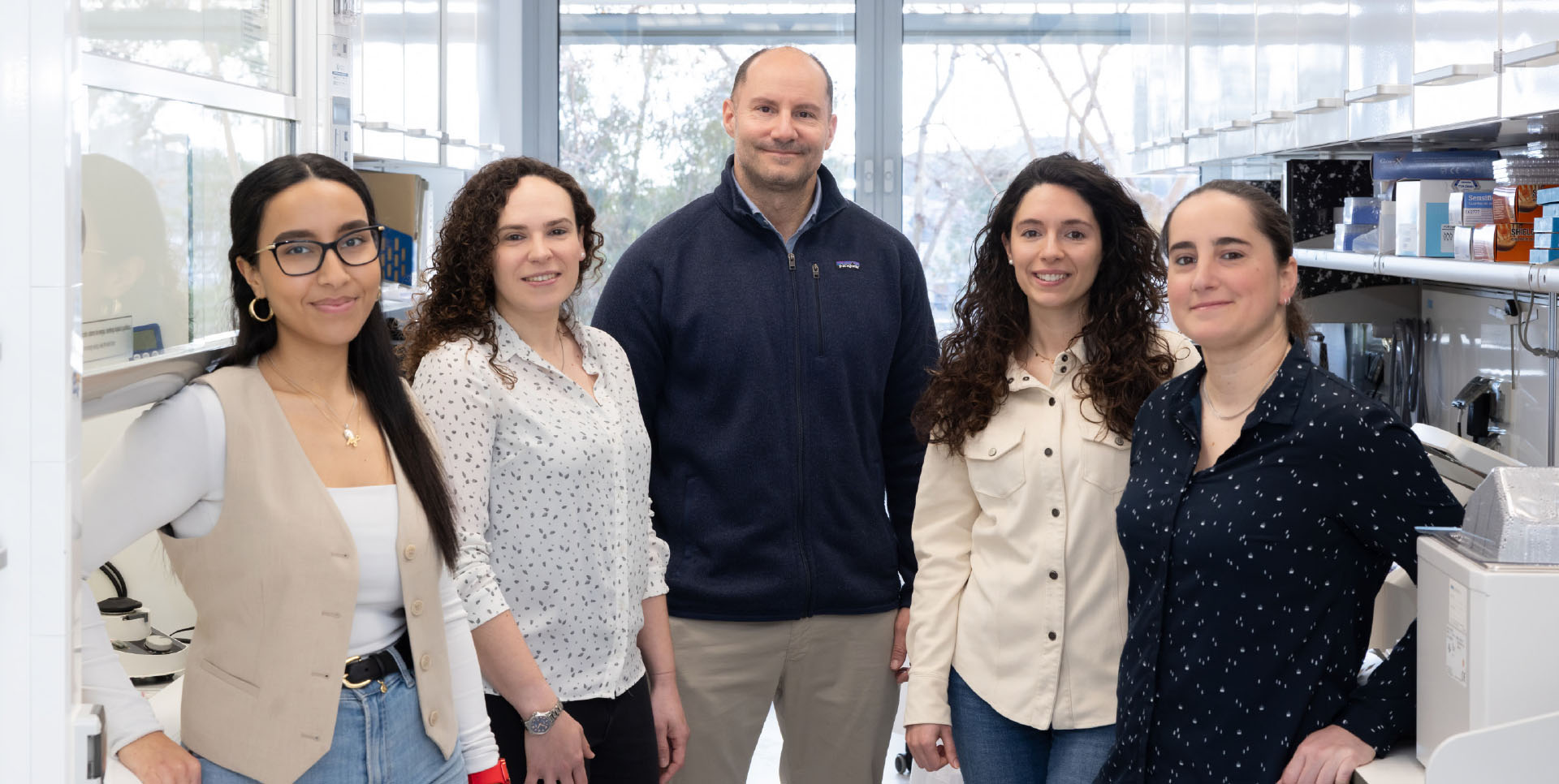
Group Leader Rodrigo A. Toledo PhD Students Carlota Arenillas, Oriol Mirallas Viñas, Ana Belen Moreno-Cárdenas Lab Manager Alma Calahorro Laboratory Technician Aya Louhamane Bioinformaticians Alessandra Bonilla Data Scientist Kira Raskina
Biomarkers and Clonal Dynamics Group
VHIO’s Biomarkers and Clonal Dynamics Group applies innovative tumor evolution analyses on longitudinal tumor and circulating tumor DNA (ctDNA) liquid biopsy samples across diverse clinical and therapeutic contexts. Through this integrative approach, our research aims at unravelling the evolutionary complexity of human cancers and expose actionable insights that may be translated into clinical practice, with a primary focus on cancer immunotherapy and targeted therapies.
- Apply multimodal ctDNA assays to predict response to immunotherapy and targeted therapies across tumor types.
- Characterize tumor heterogeneity: examine the temporal heterogeneity of tumors using tumor and liquid biopsy sequencing approaches during treatment response and disease progression, particularly in the context of immunotherapy and targeted therapies.
- Investigate the mechanisms of cancer drug resistance to immunotherapy and targeted therapies to identify potential biomarkers of resistance in liquid biopsy that inform more effective treatment strategies.
- Evaluate the clinical utility of circulating tumor DNA (ctDNA) analysis in rare adrenal cancers such as pheochromocytomas, paragangliomas (PPGL), and adrenocortical carcinomas (ACC).
- In 2025, we completed three key studies. The first was the discovery that human tumors exposed to systemic hypoxia acquire genetic variants in the same gene that is highly selected in the Sherpa population—EPAS1, which encodes the master hypoxia regulator HIF2α. The second study described the molecular mechanisms underlying cancer-associated dermatomyositis. Finally, the third characterized the utility of ultrasensitive circulating tumor DNA (ctDNA) analysis as a biomarker in patients undergoing treatment with immunotherapy.
- Garralda E, Abbott C, Calahorro A, Mirallas O, Pugh J, Moreno-Cárdenas AB, Keough K, Galvao V, Alonso G, Olano AM, Vieito Villar M, Oberoi A, Lostes Bardaji J, Hernando-Calvo A, Braña I, Pretelli G, Ortega B, Arenillas C, Czerniak N, Navarro FCP, Li B, Pyke RM, Ravi N, Zatse C, Grussu F, Sanz M, Viaplana C, Raskina K, Jimenez J, Fasani R, Casbas-Hernandez P, Oflazoglu E, Hodgson D, Reis-Filho J, Felip E, Élez E, Muñoz E, Dienstmann R, Tabernero J, Lopez-Perez R, Nuciforo P, Chen RO, Boyle SM, Toledo RA. Broad Utility of Ultrasensitive Analysis of ctDNA Dynamics across Solid Tumors Treated with Immunotherapy. Clin Cancer Res. 2025. doi: 10.1158/1078-0432.CCR-25-2312.
- Moreno-Cárdenas AB, Ros J, Gil-Vila A, Datta D, Fasani R, Serna G, Jimenez J, Trallero-Araguás E, Viaplana C, Lostes J, Milisenda JC, Grau-Junyent JM, Lopez-Perez R, Pinal-Fernández I, Nuciforo P, Toledo RA, Selva-O'Callaghan A. Frequent genetic alterations in myositis autoantigen genes in cancer-associated dermatomyositis. Ann Rheum Dis. 2025. doi: 10.1016/j.ard.2025.10.018.
- Arenillas C, Celada L, Ruiz-Cantador J, Calsina B, Datta D, García-Galea E, Fasani R, Moreno-Cárdenas AB, Alba-Linares JJ, Miranda-Barrio B, Martínez-Montes ÁM, Alvarez-Escola C, Lecumberri B, González García A, K Flores S, Esquivel E, Ding Y, Peitzsch M, Robles-Guirado JÁ, Regojo Zapata RM, Pozo-Kreilinger JJ, Iglesias C, Dwight T, Muir CA, Oleaga A, Garrido-Lestache Rodríguez-Monte ME, Del Cerro MJ, Martínez-Bendayán I, Álvarez-González E, Cubiella T, Lourenço DM Jr, A Pereira MA, Burnichon N, Buffet A, Broberg C, Dickson PV, Fraga MF, Llorente Pendás JL, Rueda Soriano J, Buendía Fuentes F, Toledo SPA, Clifton-Bligh R, Dienstmann R, Villanueva J, Capdevila J, Gimenez-Roqueplo AP, Favier J, Nuciforo P, Young WF Jr, Bechmann N, Opotowsky AR, Vaidya A, Bancos I, Weghorn D, Robledo M, Casteràs A, Dos-Subirà L, Adameyko I, Chiara MD, Dahia PLM, Toledo RA. Convergent Genetic Adaptation in Human Tumors Developed Under Systemic Hypoxia and in Populations Living at High Altitudes. Cancer Discov. 2025 May 2;15(5):1037-1062.
- IMMUNOMICs – Liquid biopsy analysis in cancer patients treated with immunotherapy.
- PREDICT – Liquid biopsy-based prediction of clinical outcomes in cancer immunotherapy.
- mPPGL – Circulating tumor DNA (ctDNA) as a prognostic biomarker in rare adrenal tumors.
- HYPOXIA – Positive selection of EPAS1-HIF2α mutations in systemic hypoxia.
- Arenillas C, Celada L, Ruiz-Cantador J, Calsina B, Datta D, García-Galea E, Fasani R, Moreno-Cárdenas AB, Alba-Linares JJ, Miranda-Barrio B, Martínez-Montes ÁM, Alvarez-Escola C, Lecumberri B, González García A, K Flores S, Esquivel E, Ding Y, Peitzsch M, Robles-Guirado JÁ, Regojo Zapata RM, Pozo-Kreilinger JJ, Iglesias C, Dwight T, Muir CA, Oleaga A, Garrido-Lestache Rodríguez-Monte ME, Del Cerro MJ, Martínez-Bendayán I, Álvarez-González E, Cubiella T, Lourenço DM Jr, A Pereira MA, Burnichon N, Buffet A, Broberg C, Dickson PV, Fraga MF, Llorente Pendás JL, Rueda Soriano J, Buendía Fuentes F, Toledo SPA, Clifton-Bligh R, Dienstmann R, Villanueva J, Capdevila J, Gimenez-Roqueplo AP, Favier J, Nuciforo P, Young WF Jr, Bechmann N, Opotowsky AR, Vaidya A, Bancos I, Weghorn D, Robledo M, Casteràs A, Dos-Subirà L, Adameyko I, Chiara MD, Dahia PLM, Toledo RA. Convergent Genetic Adaptation in Human Tumors Developed Under Systemic Hypoxia and in Populations Living at High Altitudes. Cancer Discov. 2025 May 2;15(5):1037-1062. doi: 10.1158/2159-8290.CD-24-0943. PMID: 40199338; PMCID: PMC12046333.
- Voronova AK, Grigoriou A, Bernatowicz K, Simonetti S, Serna G, Roson N, Escobar M, Vieito M, Nuciforo P, Toledo R, Garralda E, Fieremans E, Novikov DS, Palombo M, Perez-Lopez R, Grussu F. SpinFlowSim: A blood flow simulation framework for histology-informed diffusion MRI microvasculature mapping in cancer. Med Image Anal. 2025 May;102:103531. doi: 10.1016/j.media.2025.103531. Epub 2025 Mar 7. PMID: 40073583; PMCID: PMC12034030.
- Bernatowicz K, Amat R, Prior O, Frigola J, Ligero M, Grussu F, Zatse C, Serna G, Nuciforo P, Toledo R, Escobar M, Garralda E, Felip E, Perez-Lopez R. Radiomics signature for dynamic monitoring of tumor inflamed microenvironment and immunotherapy response prediction. J Immunother Cancer. 2025 Jan 11;13(1):e009140. doi: 10.1136/jitc-2024-009140. PMID: 39800381; PMCID: PMC11749429.
- de Jager VD, Giacomini P, Fairley JA, Toledo RA, Patton SJ, Joosse SA, Koch C, Deans ZC; ELBS ctDNA Workshop Group; Pantel K, Heitzer E, Schuuring E. Reporting of molecular test results from cell-free DNA analyses: expert consensus recommendations from the 2023 European Liquid Biopsy Society ctDNA Workshop. EBioMedicine. 2025 Apr;114:105636. doi: 10.1016/j.ebiom.2025.105636. Epub 2025 Mar 22. PMID: 40121940; PMCID: PMC11979934.
- Bernatowicz K, Amat R, Prior O, Frigola J, Ligero M, Grussu F, Zatse C, Serna G, Nuciforo P, Toledo R, Escobar M, Garralda E, Felip E, Perez-Lopez R. Radiomics signature for dynamic monitoring of tumor inflamed microenvironment and immunotherapy response prediction. J Immunother Cancer. 2025 Jan 11;13(1):e009140. doi: 10.1136/jitc-2024-009140. PMID: 39800381; PMCID: PMC11749429.
- Pantel K, Alix-Panabières C, Hofman P, Stoecklein NH, Lu YJ, Lianidou E, Giacomini P, Koch C, de Jager V, Deans ZC, Fairley J, Patton SJ, Toledo RA, Schuuring E, Heitzer E, Hendrix A, Ricklefs FL, Thakur BK, von Bubnoff N, Pierga JY, Gebhardt C, Andersen CL, Fijneman R, Malats N, Hallermayr A, Chelala C, Joosse SA, Ciliberto G. Fostering the implementation of liquid biopsy in clinical practice: meeting report 2024 of the European Liquid Biopsy Society (ELBS). J Exp Clin Cancer Res. 2025 May 23;44(1):156. doi: 10.1186/s13046-025-03398-4. PMID: 40410806; PMCID: PMC12100835.
- Martelli V, Vidal J, Gibert J, Fernández-Rodríguez MC, Linares J, García-Alfonso P, Páez D, Alonso V, Gomez-España MA, Guix M, Santos C, Duran G, Élez E, Garcia-Carbonero R, Ferreiro R, Pineda E, Sastre J, Cano MT, Manzano JL, Losa F, Aranda E, Rivera F, Sibilio A, Toledo R, Tabernero J, Salazar R, Bellosillo B, Montagut C; Spanish Cooperative Group for the Treatment of Digestive Tumours (TTD). Clinical validation of liquid biopsy-RECIST (LB-RECIST) in metastatic colorectal cancer (mCRC) patients: findings from the PLATFORM-B study. ESMO Open. 2025 Sep;10(9):105760. doi: 10.1016/j.esmoop.2025.105760. Epub 2025 Sep 3. PMID: 40907207; PMCID: PMC12446507.
- Grigoriou A, Macarro C, Palombo M, Navarro-Garcia D, Voronova AK, Bernatowicz K, Barba I, Escriche A, Greco E, Abad M, Simonetti S, Serna G, Mast R, Merino X, Roson N, Escobar M, Vieito M, Nuciforo P, Toledo R, Garralda E, Sala-Llonch R, Fieremans E, Novikov DS, Perez-Lopez R, Grussu F. Histology-informed microstructural diffusion simulations for MRI cancer characterisation-the Histo-μSim framework. Commun Biol. 2025 Nov 26;8(1):1695. doi: 10.1038/s42003-025-09096-3. PMID: 41298809; PMCID: PMC12657972.
- Grussu F, Grigoriou A, Bernatowicz K, Palombo M, Casanova-Salas I, Navarro-Garcia D, Barba I, Simonetti S, Serna G, Macarro C, Voronova AK, Garay V, Corral JF, Vidorreta M, García-Polo García P, Merino X, Mast R, Rosón N, Escobar M, Vieito M, Toledo R, Nuciforo P, Mateo J, Garralda E, Perez-Lopez R. Clinically feasible liver tumour cell size measurement through histology-informed in vivo diffusion MRI. Commun Med (Lond). 2025 Nov 20;5(1):535. doi: 10.1038/s43856-025-01246-2. PMID: 41266804; PMCID: PMC12749696.
- Moreno-Cárdenas AB, Ros J, Gil-Vila A, Datta D, Fasani R, Serna G, Jimenez J, Trallero-Araguás E, Viaplana C, Lostes J, Milisenda JC, Grau-Junyent JM, Lopez-Perez R, Pinal-Fernández I, Nuciforo P, Toledo RA, Selva-O'Callaghan A. Frequent genetic alterations in myositis autoantigen genes in cancer-associated dermatomyositis. Ann Rheum Dis. 2025 Nov 24:S0003-4967(25)04457-7. doi: 10.1016/j.ard.2025.10.018. Epub ahead of print. PMID: 41290487.
- Garralda E, Abbott C, Calahorro A, Mirallas O, Pugh J, Moreno-Cárdenas AB, Keough K, Galvao V, Alonso G, Olano AM, Vieito Villar M, Oberoi A, Lostes Bardaji J, Hernando-Calvo A, Braña I, Pretelli G, Ortega B, Arenillas C, Czerniak N, Navarro FCP, Li B, Pyke RM, Ravi N, Zatse C, Grussu F, Sanz M, Viaplana C, Raskina K, Jimenez J, Fasani R, Casbas-Hernandez P, Oflazoglu E, Hodgson D, Reis-Filho J, Felip E, Élez E, Muñoz E, Dienstmann R, Tabernero J, Lopez-Perez R, Nuciforo P, Chen RO, Boyle SM, Toledo RA. Broad Utility of Ultrasensitive Analysis of ctDNA Dynamics across Solid Tumors Treated with Immunotherapy. Clin Cancer Res. 2026 Jan 16;32(2):333-349. doi: 10.1158/1078-0432.CCR-25-2312. PMID: 41400436; PMCID: PMC12809116.
- Navarro-Garcia D, Grussu F, Zatse C, Klümper N, Macarro C, Hernando-Calvo A, Sanz M, Vieito M, Braña I, Mirallas O, Alonso G, Galvao V, Pretelli G, Lostes J, Oberoi A, Toledo R, Nuciforo P, Garralda E, Perez-Lopez R. Integrating C-reactive protein flare and early MRI dynamics for enhanced prediction of immunotherapy response. J Immunother Cancer. 2025 Dec 21;13(12):e012143. doi: 10.1136/jitc-2025-012143. PMID: 41423273; PMCID: PMC12718596.
Group Leader Laura Soucek Senior Investigators Jonathan R. Whitfield, Mariano F. Zacarías-Fluck Postdoctoral Fellows Ana Lopez Garza, Cristina Mir Pérez Technicians Judit Grueso, Melisa Morcillo Sanchez, Saray Ramos Pérez, Erika Serrano del Pozo, Manrique Jose Valdez-Bango Martín PhD Students Daniel Capitán Leo, Fabio Giuntini, Íñigo González-Larreategui, Manuel Lillo Valero Master's Student Diego Martínez Rubiño
Models of Cancer Therapies Group
Our group focuses on the pleiotropic and ubiquitous MYC oncoprotein, whose deregulation is implicated in almost all human cancers. The technical challenges of targeting nuclear transcription factors such as MYC –and the concern regarding potential side effects–had until recently precluded any clinical validation of MYC inhibition as a possible therapeutic strategy.
Over the past years, we have demonstrated in transgenic and PDX mouse models that MYC inhibition has a dramatic therapeutic impact across multiple tumor types, with very mild and reversible side effects in normal tissues. Encouraged by our preclinical data, and in partnership with our spin-off company, Peptomyc S.L., we have advanced the development of MYC-inhibiting peptides as innovative anticancer agents, particularly addressing difficult-to-treat cancers in dire need of new therapeutic options.
In 2025, the first Omomyc-derived compound, OMO-103, was tested in a Phase Ib clinical trial as first-line treatment in combination with standard of care in patients with metastatic pancreatic ductal adenocarcinoma (PDAC), as well as in a Phase II trial in high-grade osteosarcoma.
During this year, we have continued to make broad contributions to cancer research and to consolidate our position as a leading group in the MYC field. Through original articles and reviews, we highlight progress toward clinically viable MYC inhibition, identify promising combination strategies, and explore emerging aspects of MYC biology, including roles beyond cancer.
- Preclinically validate novel therapeutic strategies against MYC in breast, brain, lung, neuroblastoma, melanoma, ovarian, and colorectal cancer.
- Identify and validate biomarkers of response to MYC inhibition.
- Define the role of MYC in promoting cancer immune evasion and test the efficacy of MYC inhibitors and IO combination therapies in cancer treatment.
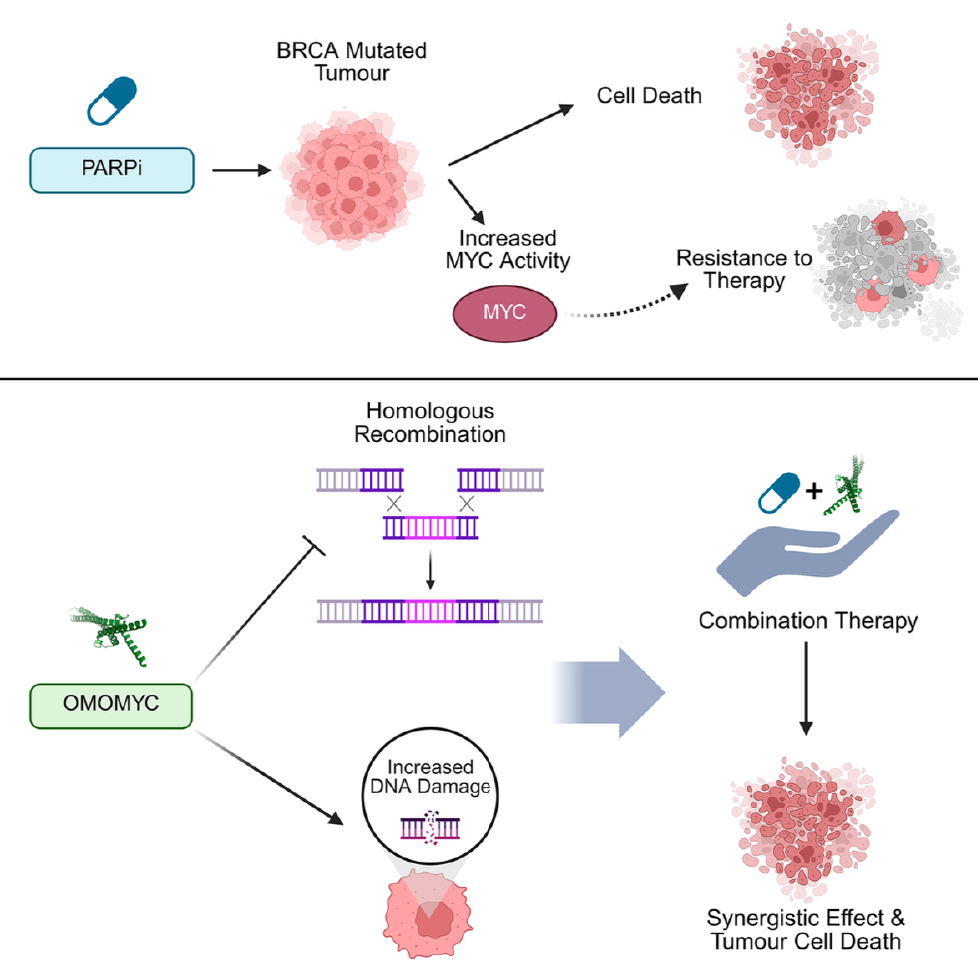
- Develop potent combinations of Omomyc with current therapeutics, including PARP inhibitors (PARPi) in DNA Damage Response (DDR) deficient tumors, and KRAS inhibitors (KRASi).
- Investigate how the MYC network functions in MAX-defective gastrointestinal stromal tumors (GISTs) and small-cell lung cancer (SCLC) to define actionable targets to tackle these unmet clinical needs.
- Jonathan Whitfield and Laura Soucek authored a review in Nature Reviews Drug Discovery discussing the current state of MYC inhibitors in clinical trials.
- While OMO-103 is progressing in a Phase Ib clinical trial for metastatic pancreatic cancer (NCT06059001), a new Phase II trial has been launched to evaluate this agent in patients with high-grade osteosarcoma (NCT06650514).
- OMO-103 has received IND approval to start a Window of Opportunity Trial in the U.S. (IND 173879; NCT07089940).
- Fabio Giuntini successfully defended his PhD thesis and continued in the lab as a Junior Postdoc until the end of the year.
- Fabio also led a published study based on the results of his thesis, showing that MYC inhibition by Omomyc causes DNA damage and overcomes PARPi resistance in triple negative breast cancer.
- Beyond cancer, the lab collaborated on a study demonstrating the role of MYC in amyotrophic lateral sclerosis.
- We welcomed two new members to our lab: Cristina Mir Pérez (Junior Postdoc), and Saray Ramos Pérez (Technician).
- Manuel Lillo Valero was awarded with a Joan Oró grant from the Agència de Gestió d'Ajuts Universitaris i de Recerca (AGAUR) to start a PhD in the lab.
- We were awarded 2 new grants: a European Research Council (ERC) Proof-Of-Concept grant to test ultrasound-mediated delivery of Omomyc to target brain tumours, and a Proyectos de Generación de Conocimiento grant from the Instituto de Salud Carlos III (ISCIII) to determine MYC’s role in cancer immune evasion and resistance to immunotherapy.
- Íñigo González-Larreategui entered the final year of his PhD and presented his work both as oral communications and posters at several conferences, including the Spanish Association of Cancer Research (ASEICA) 20th International Congress (Bilbao, Spain), the Cell Symposia: Cancer-immunity cycle (Sitges, Spain), and the European Association for Cancer Research (EACR) conference: Defence is the Best Attack: Immuno-Oncology Breakthroughs (Barcelona, Spain).
- Daniel Capitán Leo also gave talks and presented posters at several conferences, including the EACR 2025 Congress (Lisbon, Portugal), Jornades del Departament de Bioquimica (Universitat Autònoma de Barcelona - UAB, Barcelona), and the Targeting RAS Symposium (Salamanca, Spain).
- Ana Lopez Garza presented a poster at the 1st SOS Small Cell Lung Cancer (SOSCLC)-Spanish Association Against Cancer (AECC) Consortium’s Annual Symposium (Barcelona, Spain).
- Advance the validation of novel MYC inhibitory therapies for cancer treatment.
- Define the role of MYC in promoting cancer immune evasion and assess the potential of MYC inhibition in combination with immune-oncology therapies and personalized medicine.
- Combine MYC inhibition with DNA damaging agents in DDR defective tumors.
- Explore the role of the MYC network members in MAX-null tumors and identify potentially actionable targets and therapeutic strategies against these cancers.
- Whitfield JR, Soucek L. MYC in cancer: from undruggable target to clinical trials. Nat Rev Drug Discov. 2025 Jun;24(6):445-457.
- Fioretti PV, Barbieri A, Migazzi A, Bressan D, Grassano M, Donini L, Roccuzzo M, Torrieri MC, Conci F, Ferracci E, Invernizzi S, Bowden KM, Bacchetti F, Cappelli S, Peroni D, Belli R, Pancher M, Mugoni V, Scarduelli G, Gianesello M, Pasetto L, Canarutto G, Carra S, Soldano A, Bisio A, Robbiati S, Valentini C, Nardella C, Piazza S, D'Agostino VG, Quattrone A, Sleiman S, Whitfield JR, Soucek L, Vignoli B, Viero G, Tiberi L, Zippo A, Demichelis F, Bonetto V, Milanese M, Buratti E, Verde F, Ticozzi N, Calvo A, Ratti A, Shaw PJ, Terenzio M, Chiacchiera F, Pennuto M, Basso M. MYC-driven gliosis impairs neuron-glia communication in amyotrophic lateral sclerosis. Brain. 2025. doi: 10.1093/brain/awaf360.
- Giuntini F, González-Larreategui Í, Herencia-Ropero A, Casacuberta-Serra S, Zacarías-Fluck MF, Arnal M, Pedretti F, Martínez-Martín S, Thabussot H, Cano VC, Grueso J, Foradada L, Serrano E, López-Estévez S, Rodriguez O, Guzman M, Rodriguez-Hernandez A, Brasó-Maristany F, Llop-Guevara A, Balmaña J, Nonell L, Prat A, Serra V, Beaulieu ME, Whitfield JR, Massó-Vallés D, Soucek L. MYC inhibition by Omomyc causes DNA damage and overcomes PARPi resistance in breast cancer. Cell Rep. 2025 Dec 23;44(12):116604.
- Tsuda M, Keith D, Daniel CJ, Pelz C, Blise KE, Ozmen TY, Ozmen F, Hawthone K, Eng JR, Li X, Wang X, Zimny H, Sivagnanam S, Betre K, Kirchberger N, Chong B, Lee J, Matter A, Smith A, Agritelley ES, Waugh T, Sannecy A, Alarcon K, Youm I, Protzek S, Egger J, English IA, Yang M, Shah VM, Link JM, Creason AL, Worth PJ, Goodyear SM, Chin K, Muschler JL, Suciu CG, Corless CL, Cao S, Soucek L, Kardosh A, Coussens LM, Brody JR, Lopez CD, Mills GB, Sears RC. A window trial in metastatic pancreatic ductal adenocarcinoma reveals resistance mechanisms to targeting the KRAS-MEK pathway. bioRxiv [Preprint]. 2025 Dec 15:2025.12.12.693851.
- Laura was awarded the 2024 Premi Ciutat de Barcelona (Barcelona City Award) Life Sciences Award for the study MYC targeting by OMO-103 in solid tumors: a phase 1 trial, published in Nature Medicine (DOI: 10.1038/s41591-024-02805-1).
- Manuel Lillo Valero was awarded with a Joan Oró grant from the Agència de Gestió d'Ajuts Universitaris i de Recerca (AGAUR) to start a PhD in the lab.
- We were also awarded 2 new grants: a European Research Council (ERC) Proof-Of-Concept grant to test ultrasound-mediated delivery of Omomyc to target brain tumors, and a Proyectos de Generación de Conocinimiento grant from the Instituto de Salud Carlos III (ISCIII) to determine MYC’s role in cancer immune evasion and resistance to immunotherapy.
- 2nd BBVA Foundation Comprehensive Program of Cancer Immunotherapy & Immunology (CAIMI II), VHIO-FBBVA Collaboration. Project titles: Understanding the tumor microenvironment to identify therapeutic targets and improve the response to immune checkpoint inhibitors. Understanding the mechanisms of resistance to IT and immune evasion to targeted therapies and designing new rational combinatory treatments. Duration: 2022-2025. PI: Laura Soucek.
- Grant: Proyectos en Colaboración Público-Privado from the Spanish Ministry of Sciences, Innovation and Universities. Title: Clinical proof-of-concept of a first-in-class MYC inhibitor in combination therapy and expansion of its development plan (CLINIMYC). Duration: 2023-2026. PI: Laura Soucek.
- Grant: AECC 70% Survivorship Title: Small cell lung cancer: from biology networks to tailored therapy (SOSCLC) Duration: 2024-2029 Co-applicant: Laura Soucek
- Grant: ERC Advanced Grant Title: Maximizing the use of a first clinically viable MYC inhibitor (MYCiMAX) Duration: 2024-2029 PI: Laura Soucek
- Grant: ERC Proof of Concept Title: Bringing MYC inhibition to the brain by ultrasound technology Duration: 2025-2027 PI: Laura Soucek
- Wyatt, A. W., Litiere, S., Bidard, F. C., Cabel, L., Dyrskjøt, L., Karlovich, C. A., Pantel, K., Petrie, J., Philip, R., Andrews, H. S., Vellanki, P. J., Tolmeijer, S. H., Villalobos Alberu, X., Alfano, C., Bogaerts, J., Calvo, E., Chen, A. P., Toledo, R. A., de Vries, E. G. E., … RECIST ctDNA workshop group. (2024). Plasma ctDNA as a treatment response biomarker in metastatic cancers: Evaluation by the RECIST working group. Clinical Cancer Research, 30(22), 5034-5041. https://doi.org/10.1158/1078-0432.CCR-24-1883
- Stanley, K. E., Jatsenko, T., Tuveri, S., Sudhakaran, D., Lannoo, L., Van Calsteren, K., de Borre, M., Van Parijs, I., Van Coillie, L., Van Den Bogaert, K., De Almeida Toledo, R., Lenaerts, L., Tejpar, S., Punie, K., Rengifo, L. Y., Vandenberghe, P., Thienpont, B., & Vermeesch, J. R. (2024). Cell type signatures in cell-free DNA fragmentation profiles reveal disease biology. Nature Communications, 15(1), 2220. https://doi.org/10.1038/s41467-024-46435-0
- Prior, O., Macarro, C., Navarro, V., Monreal, C., Ligero, M., Garcia-Ruiz, A., Serna, G., Simonetti, S., Braña, I., Vieito, M., Escobar, M., Capdevila, J., Byrne, A. T., Dienstmann, R., Toledo, R., Nuciforo, P., Garralda, E., Grussu, F., Bernatowicz, K., & Perez-Lopez, R. (2024). Identification of precise 3D CT radiomics for habitat computation by machine learning in cancer. Radiology: Artificial Intelligence, 6(2), e230118. https://doi.org/10.1148/ryai.230118
- Ligero, M., Serna, G., El Nahhas, O. S. M., Sansano, I., Mauchanski, S., Viaplana, C., Calderaro, J., Toledo, R. A., Dienstmann, R., Vanguri, R. S., Sauter, J. L., Sanchez-Vega, F., Shah, S. P., Ramón Y Cajal, S., Garralda, E., Nuciforo, P., Perez-Lopez, R., & Kather, J. N. (2024). Weakly supervised deep learning predicts immunotherapy response in solid tumors based on PD-L1 expression. Cancer Research Communications, 4(1), 92-102. https://doi.org/10.1158/2767-9764.CRC-23-0287
- OMO-103 as first-line treatment in combination with standard of care chemotherapy in metastatic pancreatic ductal adenocarcinoma patients (Phase 1b, NCT06059001).
- OMO-103 in advanced high-grade osteosarcoma (Phase II, NCT06650514)
Group Leader Alena Gros Postdoctoral Fellows Judit Diaz, Andrea Garcia Garijo, Pierre Levy, Endika Prieto, Melissa Thone, Anna Yuste Graduate Students Carla Brujas, Guim Cascalló, Immaculada Creus, Amaia González de Zárate, Johanna Kusnick Technician Albert Marín Lab Manager Marina Arroyo Master’s Student Elena Díez Visiting Scientist Ricardo Pujol
Tumor Immunology and Immunotherapy Group
Immunotherapies harness the immune system to recognize and eliminate cancer. Clinical studies have demonstrated that immune checkpoint inhibitors and T-cell–based therapies can induce durable tumor regression in patients with metastatic disease. Alongside surgery, radiation therapy, and chemotherapy, immunotherapy has therefore become the fourth pillar of cancer treatment. Our research focuses on deepening the understanding of naturally occurring T-cell responses to cancer and on developing strategies to exploit these antitumor responses to design more effective and personalized immunotherapies.
Mounting evidence indicates that neoantigens play a central role in the clinical efficacy of cancer immunotherapies. With support from the BBVA Foundation’s Comprehensive Program of Cancer Immunotherapy & Immunology (CAIMI-I and CAIMI-II), as well as other funding agencies, and through our long-standing collaboration with Elena Garralda, Group Leader of VHIO’s Early Clinical Drug Development Group, and Director of the Research Unit for Molecular Therapy of Cancer (UTIM) – CaixaResearch, we are conducting a phase I clinical trial to evaluate the safety and tolerability of neoantigen-selected tumor-infiltrating lymphocytes (TILs).
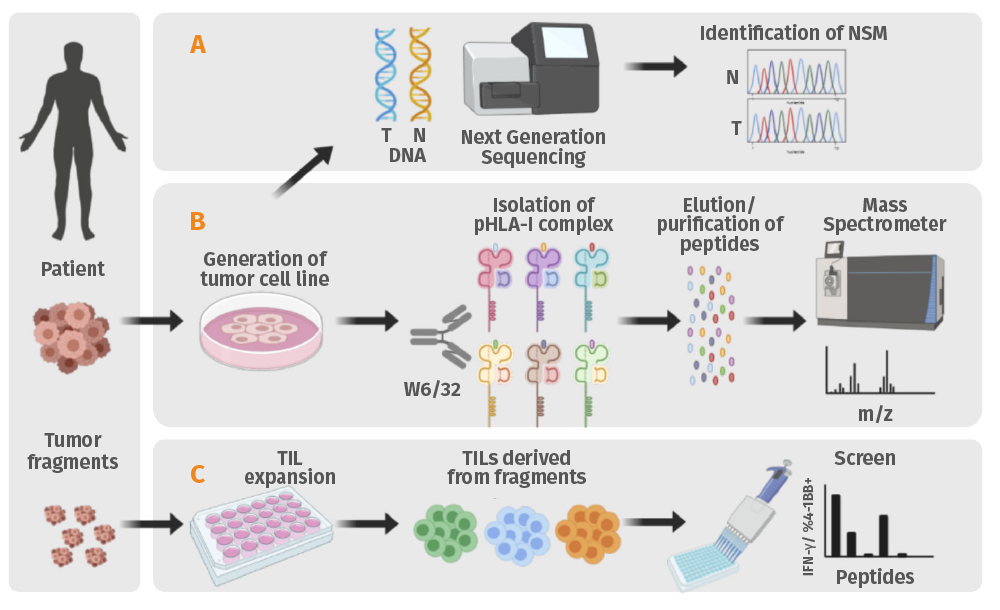
This ongoing clinical trial, funded by the Instituto de Salud Carlos III (ISCIII), employs a highly personalized strategy (Figure) to screen for T-cell–mediated recognition of mutated antigens. In this pilot study, we aim to treat up to 10 patients with epithelial cancers and melanoma refractory to standard therapies. By enriching for neoantigen-reactive lymphocytes, we seek to extend the clinical efficacy of TIL therapy beyond melanoma.
In parallel, our group is involved in several additional clinical trials in collaboration with Elena Garralda and other academic centers in Barcelona, evaluating non-selected, ex vivo–expanded TILs for the treatment of melanoma, germ cell tumors, and cancers harboring mutations in the SWI/SNF complex. Among these, the PragmaTIL trial is a multicenter study funded by the EU Horizon program that aims to reduce the toxicity associated with high-dose IL-2 administration. Notably, this trial represents an important regulatory innovation, given the decentralized nature of TIL manufacturing.
One of our group’s strategic goals is to develop approaches that harness the circulating tumor-reactive lymphocyte repertoire. We have shown that tumor-reactive T cells can frequently be detected in the peripheral blood of cancer patients, irrespective of tumor type. The ability to track and monitor tumor-reactive CD8⁺ and CD4⁺ T cells in blood holds substantial therapeutic potential, although this approach remains challenging due to the low frequency of these cells. We have contributed to defining a phenotypic signature that enables the identification and enrichment of tumor- and neoantigen-reactive T cells from peripheral blood.
Importantly, as part of the transition toward minimally invasive strategies, we have also demonstrated the use of circulating tumor DNA (ctDNA) to identify neoantigens, providing a non-invasive method to characterize tumor-specific antigens. In addition, we are developing a computational pipeline for comprehensive single-cell profiling of peripheral blood T-cell responses in patients treated with immune checkpoint inhibitors (ICIs) and cancer vaccines, with the aim of better understanding the determinants of treatment response.
Our group is also committed to developing high-throughput technologies to decipher the landscape of tumor antigens that enhance cancer cell susceptibility to immune attack, and to advance understanding of shared neoantigens and mechanisms of resistance to T-cell–mediated cytotoxicity.
- Leverage peripheral blood to detect neoantigens and reactive T cells that can be used for therapeutic interventions.
- Track tumor antigen-specific T cell immune dynamics in patients treated with immunotherapy to understand determinants of response and toxicity.
- Establish a screening platform to identify novel sources of tumor antigens that contribute to tumor immunogenicity.
- Isolate and characterize T-cell receptors (TCRs) targeting public neoantigens and cancer germline antigens for the development of TCR gene-engineered therapies.
- Investigate tumor cell intrinsic mechanisms of resistance to T-cell mediated cytotoxicity.
- We patented 9 tumor-specific TCRs and their uses thereof and plan to further develop these for clinical use.
- Led by Elena Garralda, Head of VHIO’s Early Clinical Drug Development Group, we collaborate in the EU-Funded PragmaTIL multicenter clinical trial. Patients will be randomized to either TIL with high-dose interleukin 2 (HD-IL-2) or ANV419, an IL-2 receptor agonist.
- Conduct clinical scale validation of a first-generation T-cell product derived from peripheral blood of cancer patients.
- Assess the in vivo antitumor-efficacy of TCRs targeting MAGE-A4, as well as peripheral blood-derived T cell products compared to TIL.
- Coukos G, Donia M, Gastman BR, Goff SL, Gros A, Harari A, Hernandez S, Ito F, Maker AV, Mullinax JE, Murthy P, Pai SI, Prabhakaran S, Restifo NP, Silver NL, Marincola Smith P, Turcotte S, Wagner PL, Yang JC, Lotze MT. The science of tumor-infiltrating lymphocytes (TIL): perspectives from the SITC Surgery Committee. J Immunother Cancer. 2025 Nov 29;13(11):e013420.
- Grantor: Instituto de Salud Carlos III (ISCIII). Title: Terapia celular de próxima generación con TIL específicos de neoantígenos para pacientes con tumores resistentes a inhibidores de puntos de control inmunitario.
- Grantor: Fundación Fero (Beca Fero). Title: Non-invasive personalized T-cell therapies targeting recurrent hot spot driver mutations in cancer.
- Grantor: Fundación BBVA. Alena Gros is a member of the VHIO-BBVA Foundation Comprehensive Program of Cancer Immunotherapy & Immunology (CAIMI).
- Grantor: Caixa Research Institute Fundation. Harnessing TCR-T cell therapies for patients with advanced uveal melanoma.
- Grantor: Caixa Research Institute Fundation. Personalized minimally invasive T-cell therapies for patients with advanced solid cancers.
- Grantor: Ministerio de Ciencia, Innovación y Universidades, España. Title: Mining for molecular determinants of cancer-driven T-cell dysfunction to boost the efficacy of T-cell therapies (T-boost)
- Grantor: Asociación Española Contra el Cáncer. Title: Harnessing TCR T cell Therapies to target recurrent mutations in PIK3CA and KRAS (PI-TCR ACT).
- Grantor: Ministerio de Ciencia, Innovación y Universidades. Title: Personalized T-cell therapies targeting neoantigens with enhanced efficacy and broad applicability (PersACT).
- NCT05141474. Assessment of the Safety and Tolerability of ex Vivo Next-generation Neoantigen-selected Tumor-infiltrating Lymphocyte (TIL) Therapy in Advanced Epithelial Tumors and Immune Checkpoint Blockade (ICB) Resistant Solid Tumors (NEXTGENTIL-ACT).
- NCT06630611. Evaluation of a Pragmatic Approach to Adoptive Cell Therapy (ACT) Using an IL2 Analog (ANV419) vs High Dose IL2 After Tumor Infiltrating Lymphocytes (TIL) Therapy in Patients With Melanoma, NSCLC and Cervical Cancer (PragmaTIL) (PragmaTIL).
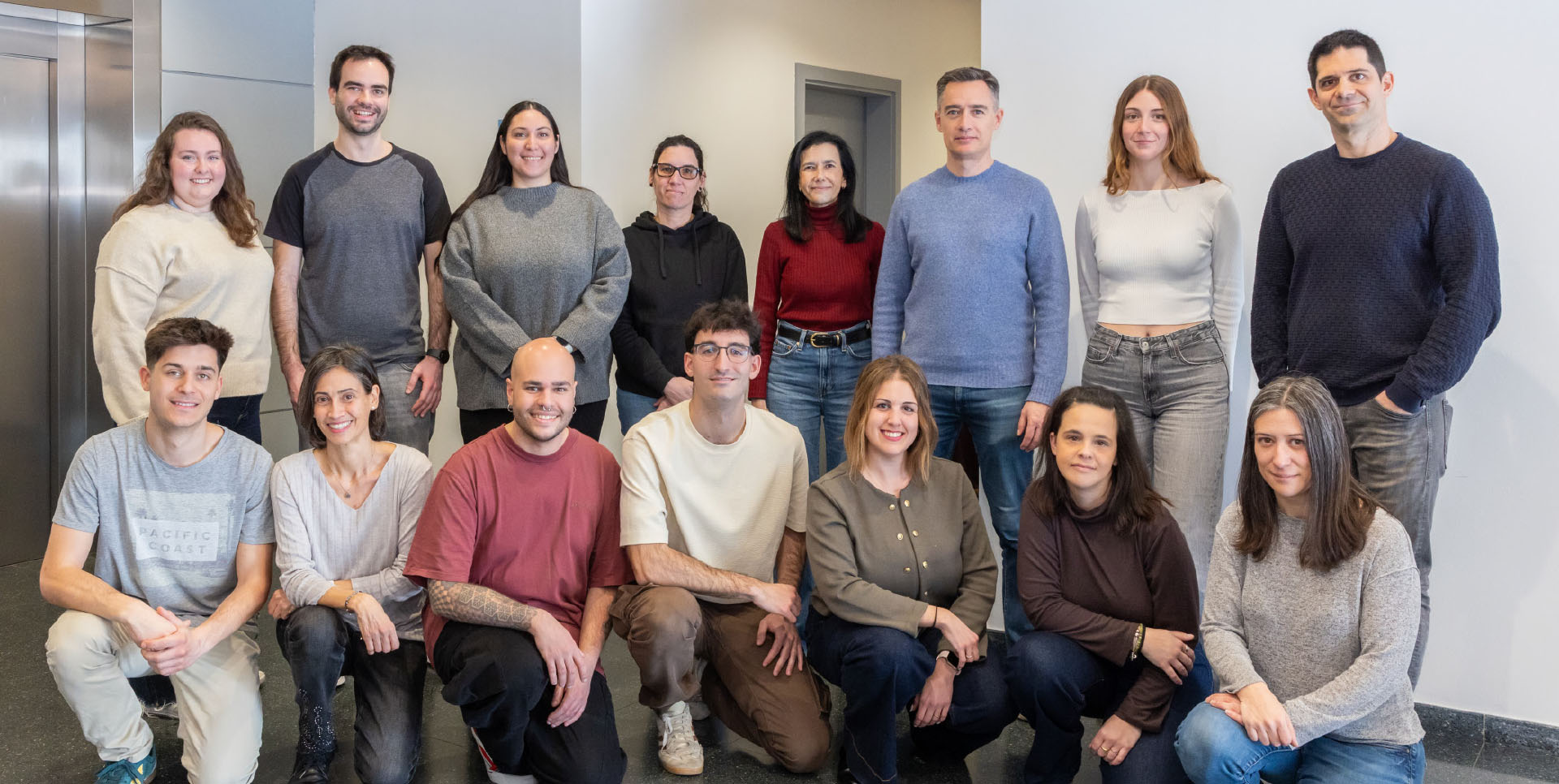
Group Leader Héctor G. Palmer Senior Investigators Jordi Martínez-Quintanilla, Isabel Puig Postdoctoral Fellows Belen Elguero, Alex Mur, Lorena Ramirez PhD Students Pablo Arráez, Peijin Jiang, Candida Salvans Predoctoral Fellow Mariana Yáñez Technicians Anna Alcántara, Debora Cabot, Irene Chicote, Raquel Flores, Eva Reig, Alexia Tafalla, Jordi Vergés Bioinformatican Karen Gascón
Stem Cells and Cancer Group
The Stem Cells and Cancer Group at VHIO studies the mechanisms that allow cancer cells to persist, evade anticancer therapies and drive disease progression. By integrating functional genomics and gene editing (CRISPR/Cas) tools with classical signaling biochemistry, we characterize the biological significance of cancer cell-intrinsic alterations in established cell lines, genetically modified mice, patient-derived organoids (PDOs), and xenografts (PDXs) models. Leveraging this portfolio of disease-relevant experimental system, our aim is to determine their functional impact on treatment response and identify novel actionable vulnerabilities. To enhance the translational relevance of our work, the group participates in a multidisciplinary task force involving medical oncologists, surgeons, radiologists, and nurses to translate laboratory discoveries into clinical applications.
Main research lines include:
Persistent tumor cells
We investigate the mechanisms of drug tolerance and tumor cell persistence that lead to minimal residual disease and, ultimately, patient relapse. Our previous work identified a core epigenetic network governing the slow cycling state of persistent tumor cells (Puig et al. 2018), and we are now investigating the role of key epigenetic and transcriptional regulators, including TET2, DPPA3 (Cuesta et al. 2023), and other related factors that define this distinctive phenotype.
Building on these insights, we are developing therapeutic strategies that target drivers of cancer cell persistence, including TET2 modulators, and identifying biomarkers to detect drug-tolerant cell populations. To accelerate clinical translation, we founded ONIRIA Therapeutics, a VHIO spin-off company focused on the development of dormancy-targeting anticancer therapies (https://www.oniriatherapeutics.com/).
Response to target-directed treatments
In close collaboration with oncologists and pharmaceutical partners, we study the molecular determinants of sensitivity and resistance to targeted therapies, including agents acting on the Wnt/beta-catenin, Notch, PI3K/AKT, EGFR/LGR5, KRAS/BRAF/MEK/ERK, CDKs or hippo signaling pathways (Tenbaum et al. 2012; Puig et al. 2013; Capdevila et al. 2020; Lehal et al. 2020, Harmstron et al. 2021; Herpers et al. 2022). Our discoveries are being translated into prescreening strategies to better select patients for clinical trials and are guiding the design of rational drug combinations aimed at overcoming resistance in patients with progressive disease, including within academic clinical studies.
Advanced preclinical cancer models
We continue to expand and optimize our patient-derived xenograft (PDX) collection, with a focus on colorectal cancer, neuroendocrine tumors, and pseudomyxoma peritonei. These models are used to assess drug efficacy and metastatic behavior through orthotopic transplantation and advanced in vivo imaging approaches, including PET, CT, and ultrasound.
This work is embedded within major European collaborative initiatives, including the EuroPDX, PERSIST-SEQ, CRC-STARS, and the PMP Accelerate consortia, though which we contribute to advancing preclinical modeling and the understanding of cancer resistance mechanisms.
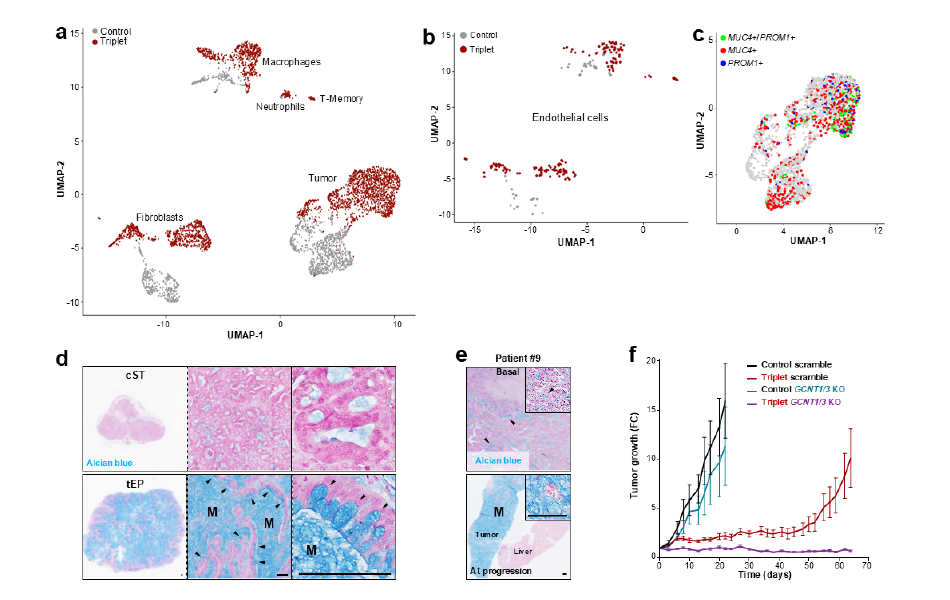
- Study the role of epigenetic and transcription factors governing tumor cell persistence in drug resistance, minimal residual disease, relapse, dissemination and metastasis.
- Continue supporting the development of novel therapies that modulate cancer cell persistence and block cancer progression through ONIRIA Therapeutics.
- Advance our understanding of the mechanisms of response to anticancer agents targeting key signaling pathways sustaining cancer phenotypes.
- Refine and expand our collection of patient-derived xenograft (PDX) and advanced cancer models and develop live imaging techniques.
- We have revealed key epigenetic factors governing cancer cell persistence, hypoxia, chemoresistance and tumor recurrence, and developed effective small molecules targeting some of these processes.
- Our group has unveiled new determinants of response to BRAF, MEK, Hippo, and Notch pathway inhibitors, and demonstrated the efficacy of new drug combinations targeting minimal residual disease in RET fusion-positive tumors.
- In collaboration with several European-funded networks, we have generated and characterized new advanced preclinical models of colorectal cancer.
ONIRIA Therapeutics spin-off company
We are committed to consolidating our spin-off company to advance drug modulators of cancer cell persistence as a novel therapeutic strategy. identified a lead compound with a favorable toxicity profile that activates TET2 and effectively blocks tumor growth in advanced mouse models. This first-in-class agent is now ready to enter the preclinical regulatory phase, supported by a dedicated team covering all stages of drug development. Building on VHIO’s strong track record in successful spin-off creation, ONIRIA is based at VHIO, where our researchers are evaluating these first-in-class compounds in close partnership with clinical investigators with extensive expertise in early phase clinical studies.
Revealing new drivers of cancer cell persistence
We seek to define key epigenetic and transcriptional regulators that govern the distinctive phenotype of drug-tolerant persistent cancer cells. Our identification of DPPA3 as a central mediator of hypoxia-driven chemoresistance has opened new avenues to dissect its mechanisms of action and evaluate its potential as a therapeutic target. Under the supervision of senior investigators, our PhD students are exploring additional, largely uncharted drivers of cancer cell persistence. Through this work, we aim to identify new drug targets and biomarkers to eliminate persistent cells, prevent resistance, and reduce the risk of disease relapse.
Defining new effective therapies based on rational drug combinations
We have uncovered previously unrecognized resistance mechanisms to multiple targeted therapies and are leveraging paired patient samples and matched PDX models to rationally design and test new combination strategies for treatment-refractory disease. This integrated approach is already yielding promising results. Looking ahead, we aim to generate actionable insights into the mechanisms of action of targeted agents to support more precise therapeutic decision-making. As part of a recently awarded EU Innovative Medicines Initiative project, we will apply single-cell multi-omics analyses to PDX models and patient-derived samples to further dissect drug resistance.
Innovating preclinical cancer models
A key focus of our work is the integration of complementary in vivo imaging modalities to enable longitudinal monitoring of tumor growth in orthotopic and genetically engineered mouse models treated with novel drug combinations. These advanced preclinical systems more closely capture features of advanced disease and provide a robust framework to accelerate the translation of experimental findings to the clinic.
- Renner F, Eckmann J, Handl C, Wichmann J, Schnetzler G, Kratochwil NA, Keshelava N, Ros J, Élez E, Vergés J, Chicote I, Martínez-Quintanilla J, Palmer HG, Pettazzoni P. Mosperafenib, a novel paradox breaker BRAF inhibitor with potent preclinical activity in BRAF mutated colorectal cancer. Mol Cancer Ther. 2025. doi: 10.1158/1535-7163.MCT-25-0562.
- Centonze A, Roura AJ, Novillo-Font M, Giordano C, Hernando-Momblona X, Llanses M, Prats P, Sevillano M, Cabot D, Novell M, Pabst G, Andersch F, Cañellas-Socias A, Zhang C, Giakoumakis NN, Sparks H, Dunsby C, Colombelli J, Fernández-Barral A, Sancho E, Stephan-Otto Attolini C, Muñoz A, Barbachano A, Palmer HG, Martínez-Quintanilla J, Zuber J, Blaj C, Quintana E, Cortina C, Marti-Renom MA, Batlle E. A plastic EMP1⁺ to LGR5⁺ cell state conversion as a bypass to KRAS-G12D pharmacological inhibition in metastatic colorectal cancer. Cancer Discov. 2025. doi: 10.1158/2159-8290.CD-25-0679.
- Title: Identification of T cell receptors targeting hotspot mutations in common driver oncogenes from tumor specimens of Mismatch repair proficient colorectal carcinoma patients. Grant: AstraZeneca. Duration: 2024-2027. PI: Héctor G. Palmer.
- Title: Therapeutic efficacy of extrachromosomal DNA (ecDNA) inhibitors in colorectal cancer tumors. Grant: Boundless Bio. Duration: 2024-2026. PI: Héctor G. Palmer.
- Title: Development and clinical validation of a CDX for ONR-001 monitoring in melanoma patients using plasmonic nanoparticles. Grant: Ministerio de Ciencia, Innovación y Universidades. Duration: 01/11/2024 – 01/11/2028. PI, co-PI: Jesus de la Fuente and Héctor G. Palmer.
- Project: ONIRIA Therapeutics. Grant: Asociación Española Contra el Cáncer (AECC). Funding program: AECC IMPACTO. Duration: 01/03/2024 – 01/03/2027. PI: Héctor G. Palmer.
- Title: Investigating the single cell heterogeneity in CRC tumours for revealing the molecular circuits responsible for drug resistance as novel targets to fight disease persistence. Grant: Instituto de Salud Carlos III (ISCIII). Funding program: Fondo de Investigación en Salud (FIS). Duration: 01/01/2024 – 31/12/2026. PI: Héctor G. Palmer.
- Title: Development of TET2 activating drugs for the treatment of melanoma. Grant: Ministerio de Ciencia, Innovación y Universidades. Funding Program: Proyectos de colaboración Público-Privada. Duration: 01/11/2023 – 01/11/2027. PI: Héctor G. Palmer.
- Title: PERSIST-SEQ. Building a reproducible single-cell experimental workflow to capture tumour drug persistence. Grant: European Commission-IMI2. Funding Program: H2020-JTI-IMI2-2020. Duration: 01/03/2021 – 01/03/2026. PI: Héctor G. Palmer.
- Title: ONIRIA Therapeutics – BStarUP Health project. Degree of contribution: Coordinator of total project, network or consortium. Funding program: BStarUP Health. Duration: 01/04/2023 – 31/12/2025. PI: Héctor G. Palmer.
- Title: ONIRIA Therapeutics – Mind the Gap project. Grant: Fundación Botín. Funding program: Mind the Gap. Duration: 01/04/2023 – 31/12/2025. PI: Héctor G. Palmer.
- Title: Multi-target approach including anti-angiogenic agent to overcome treatment resistance in BRAF mutant metastatic colorectal setting. BRAVE. Grant: Instituto de Salud Carlos III (ISCIII). Funding program: Academic Clinical Trials Call. Code according to the funding entity: ICI21/00097. Duration: 01/01/2022 – 31/12/2025. PI, co-PI: Héctor G. Palmer, Elena Élez.
- Title: Design and Synthesis of novel TET2 inhibitors and PROTACs. Grant: Ministerio de Ciencia e Innovación. Funding program: Ayudas para contrato Torres y Quevedo. Code according to the funding entity: PTQ2021-012030. Duration: 11/11/2022 – 11/11/2025. PI, co-PI: Héctor G. Palmer, Elsa Martínez.
- Title: Validating 5hmC as a companion diagnostic test for TET2 activator development. Grant: Ministerio de Ciencia e Innovación. Funding program: Ayudas para contrato Torres y Quevedo. Code according to the funding entity: PTQ2021-012030. Duration: 11/11/2022 – 11/11/2025. PI, co-PI: Héctor G. Palmer, David Aguilar.
- Title: Subvenció Joves Innovadors CAT- Investigo. Grant: AGENCIA DE GESTIO D’AJUTS UNIVERSITARIS I DE RECERCA. Funding program: Subvenció Joves Innovadors CAT- Investigo. Code according to the funding entity: 200012TC4. Duration: 01/05/2023 – 30/04/2025. PI: Héctor G. Palmer.
- Title: Subvenció Joves Innovadors CAT- Investigo. Grant: AGENCIA DE GESTIO D’AJUTS UNIVERSITARIS I DE RECERCA. Funding program: Subvenció Joves Innovadors CAT- Investigo. Code according to the funding entity: 200017TC1. Duration: 01/05/2023 – 30/04/2025. PI: Héctor G. Palmer.
- Title: Subvenció Joves Innovadors CAT- Investigo. Grant: AGENCIA DE GESTIO D’AJUTS UNIVERSITARIS I DE RECERCA. Funding program: Subvenció Joves Innovadors CAT- Investigo. Code according to the funding entity: 200017TC3. Duration: 01/05/2023 – 30/04/2025. PI: Héctor G. Palmer.
- Title: Subvenció Joves Innovadors CAT- Investigo. Grant: AGENCIA DE GESTIO D’AJUTS UNIVERSITARIS I DE RECERCA. Funding program: Subvenció Joves Innovadors CAT- Investigo. Code according to the funding entity: 200017TC2. Duration: 01/05/2023 – 30/04/2025. PI: Héctor G. Palmer.
- Title: Deciphering the molecular mechanisms of tumour cell resistance to cancer therapies. Grant: Fundación de la Asociación Española Contra el Cáncer. Funding program: Investigador AECC. Duration: 01/01/2021 – 01/01/2025. PI, co-PI: Puig Boreil, Héctor G. Palmer.
- Title: Evaluating the BRAF inhibitor Compound Ia in CRC. Grant: ROCHE. Start date: 03/06/2024. Duration: 2 years. PI: Héctor G. Palmer.
- Title: Evaluating the efficacy of CDK2/9 and PLK-1 inhibitors in CRC. Grant: Cyclacel. Duration: 2022-2025. PI: Héctor G. Palmer.
- Multi-target approach including anti-angiogenic agent to overcome treatment resistance in BRAF mutant metastatic colorectal setting. BRAVE. Funding entity: Instituto de Salud Carlos III (ISCIII). Funding program: Academic Clinical Trials Call. Code according to the funding entity: ICI21/00097. Duration: 01/01/2022 – 31/12/2025. PI, co-PI: Héctor G. Palmer, Elena Élez.
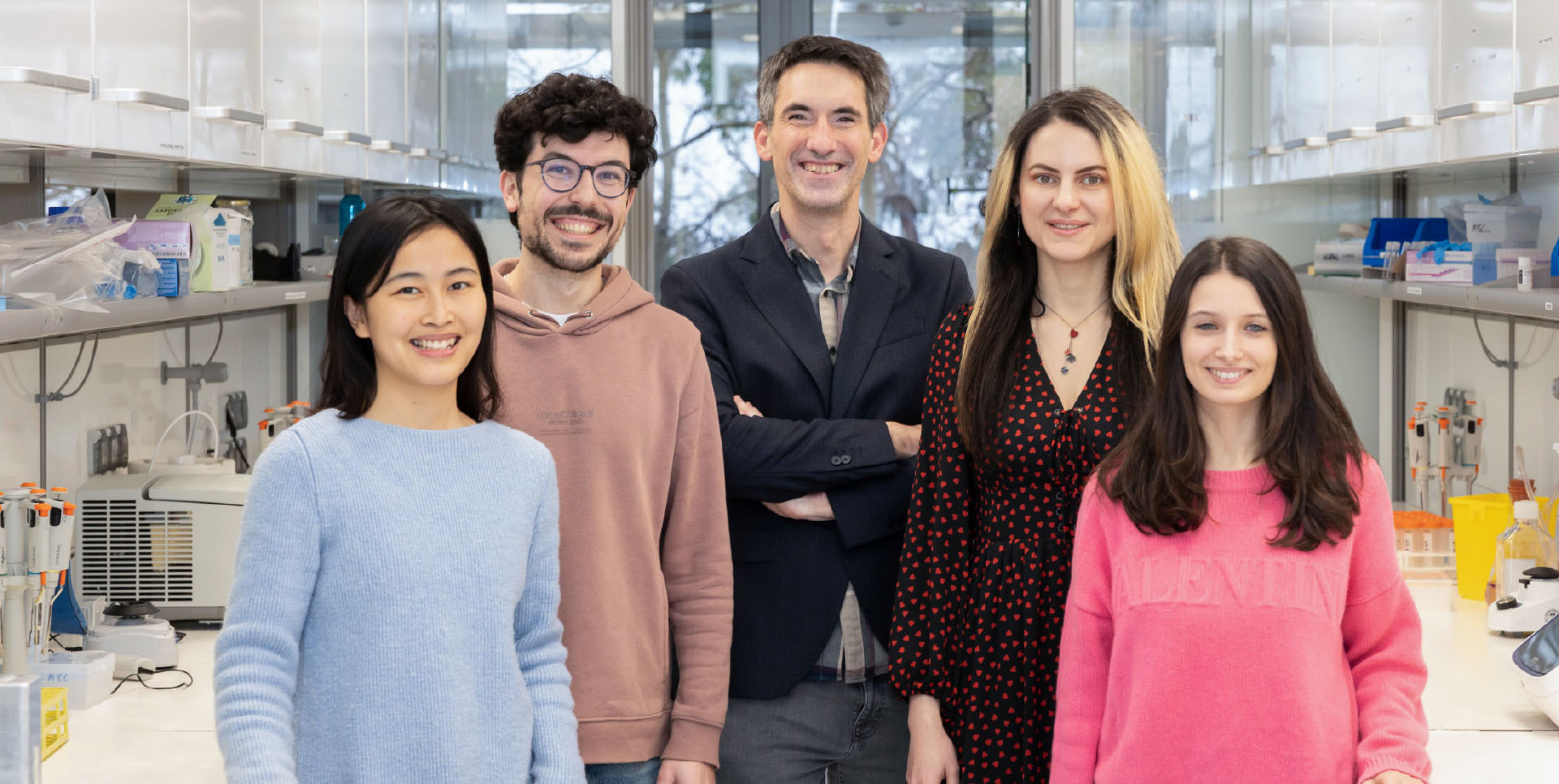
Group Leader Mate Maus PhD Students Francesca Cogo, Marc Guasch, Ning Huang, Jie Yang Medical Postdoctoral Fellow Adelina Silvana Gheorghe
Aging and Cancer Group
We study how aging-driven metabolic bottlenecks create cancer-permissive microenvironments — and how to reprogram them.
Our work focuses on two contexts: physiological aging and therapy-accelerated aging in cancer survivors. In both settings, tissues undergo persistent metabolic alterations that redistribute and limit key metabolites, reshaping cellular fitness and potentially enabling malignant initiation and recurrence.
A prominent example of such bottlenecks is the redistribution of iron during aging, illustrating how resource availability within tissues can become distorted. More broadly, we investigate how aging-driven metabolic constraints arise locally or systemically and how they alter cancer permissiveness.
To address these questions, we integrate analyses of patient material in close collaboration with clinicians, mouse models of aging and cancer survivorship, organoid and cellular systems in vitro, and bioinformatic interrogation of large human cohorts. Across these platforms, we examine how metabolic bottlenecks emerge, whether they are tissue-intrinsic or systemically imposed, and how they influence cancer risk, particularly in the colon and bone marrow.
Our long-term goal is to identify and therapeutically relieve aging-driven metabolic bottlenecks to restore tissue resilience and reduce cancer risk.
- Map aging-driven metabolic bottlenecks across tissues.
We aim to systematically identify metabolic bottlenecks that emerge during physiological aging and therapy-accelerated aging in cancer survivors. By integrating patient material, in vivo models, and large-scale cohort analyses, we will define where and how resource constraints arise, whether locally or systemically, and how they differ between tissues such as the colon and bone marrow. - Define how metabolic bottlenecks reshape cellular fitness and anti-tumor immunity
We seek to understand how aging-induced metabolic constraints alter cellular competition, differentiation trajectories, and immune surveillance. Our goal is to uncover the drivers that render tissues cancer-permissive and to distinguish transient adaptations from persistent alterations that sustain risk. - Develop diagnostics and interventions to relieve aging-driven metabolic constraints
Building on mechanistic insights, we aim to translate identified bottlenecks into biomarkers of cancer-permissive aging and therapeutic strategies that restore tissue resilience. Our long-term objective is to enable risk stratification and targeted metabolic reprogramming to reduce cancer incidence and recurrence in aging populations and cancer survivors.
- Clinical translation of our bottleneck model initiated.
In collaboration with Elena Élez, Head of VHIO’s Gastrointestinal Tract Tumors Group, Iosune Baraibar, a Medical Oncologist and Clinical Investigator of Elena’s Group, and Paolo Nuciforo, Head of VHIO’s Molecular Oncology Group, we initiated analyses of early-onset and age-associated colorectal cancer cohorts, as well as normal young and aged colon tissues, to map aging-driven iron bottlenecks in human colon biology. In parallel, we began collecting bone marrow biopsies with David Valcárcel, Head of VHIO’s Myeloid Malignancies Research Group, to test how metabolic bottlenecks contribute to bone marrow aging and tumorigenesis. - Clinical expansion and external validation of the bottleneck model.
Building on our work in colon and bone marrow, Adelina Silvana Gheorghe, a Medical Postdoctoral Fellow, joined our lab and was awarded a prestigious ESMO Research Fellowship to evaluate the predictive value of our iron bottleneck model in a large retrospective cohort of HER2-/ER+ breast cancer patients. - Experimental platforms established to test causality.
We built complementary mouse models of physiological aging, cancer survivorship, iron perturbation, and colorectal tumorigenesis, alongside colon organoid systems, enabling us to directly interrogate how aging-driven metabolic bottlenecks arise. - Launch of reprogramming strategies targeting metabolic bottlenecks. Jie Yang joined the lab to investigate myeloid cells as potential levers to relieve age-related metabolic bottlenecks and restore anti-tumor immune control.
- International recognition of our bottleneck framework.
Three of our PhD students, Francesca Cogo, Marc Guasch, and Ning Huang, were selected to present our work at the II International Conference of the Spanish Society of Cellular Senescence (SENESCEL), 6-7 November, Barcelona, which we co-organized. This meeting brought together leading experts in aging research and helped to further expand our strategic network. - Francesca Cogo received the Best Project Award at the Cancer Core Europe (CCE) Summer School in Translational Cancer Research, 5-10 October, Algarve, Portugal, for her work on therapy-accelerated aging and metabolic bottlenecks in childhood cancer survivors.
- From mapping to prediction.
We will test whether aging-driven metabolic bottlenecks can serve as early biomarkers of cancer-permissive tissues before malignant transformation. - From association to intervention.
We will experimentally relieve defined bottlenecks in vivo to determine whether restoring metabolic balance reduces cancer risk and improves immune surveillance. - From organ-specific to systemic integration.
We will dissect whether metabolic bottlenecks arise locally within tissues or are systemically imposed, and define how cross-tissue interactions shape cancer susceptibility.
- This group is supported by the ”la Caixa” Foundation - CaixaResearch.
- Ayudas para contratos Ramón y Cajal (RYC) (REF: RYC2020-030652-I).
- José Baselga Innovative Disruption Program (Astra Zeneca Foundation; REF: 10050754).
- Generacion de Conocimiento (Spanish Ministry of Science; REF: PID2022-142205OB-I00).
- La Caixa Hub Innovation Award.
- XXVIII Fundacion FERO grant; (FERO Foundation; REF: BFERO2024.03)
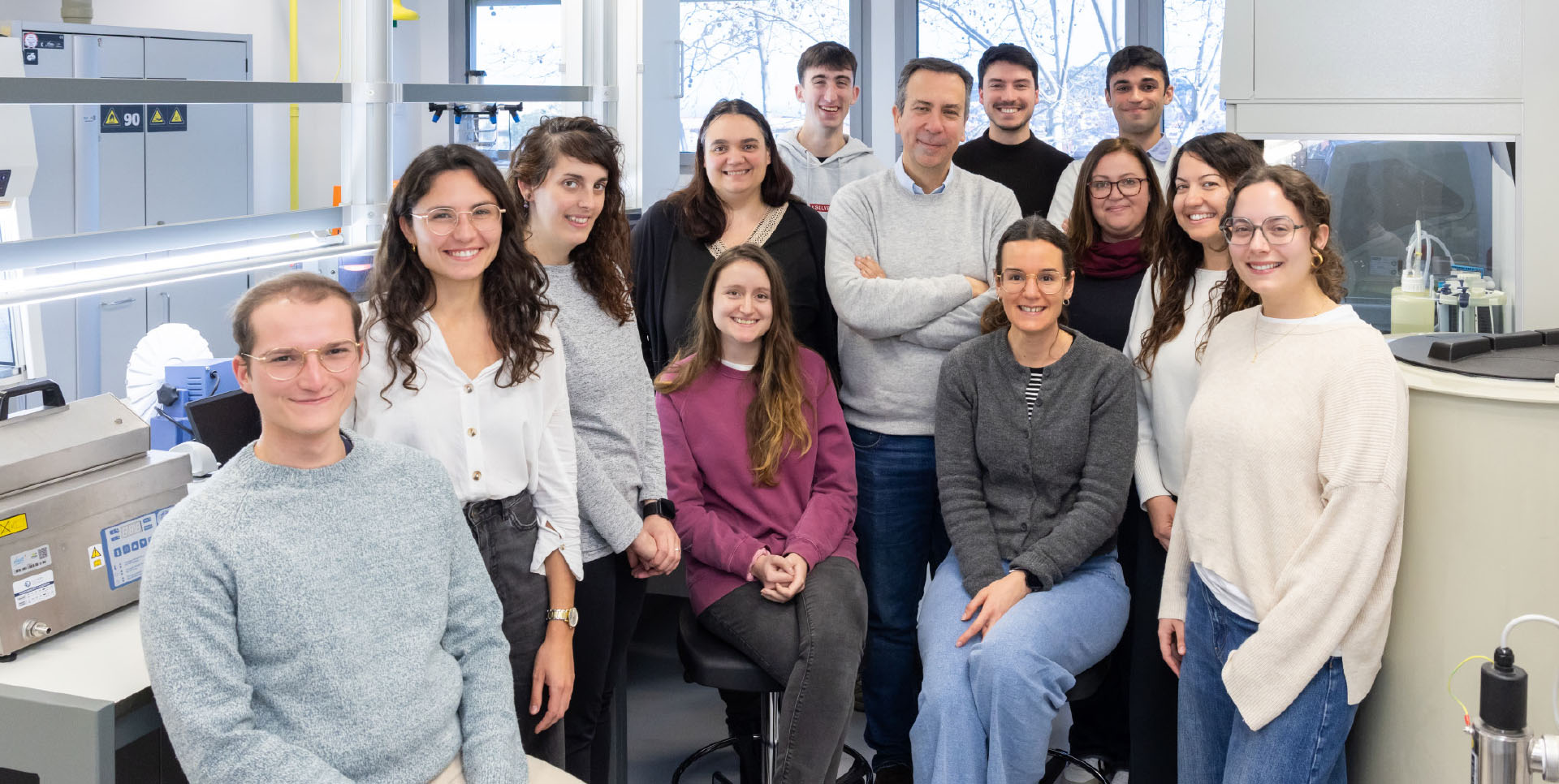
Group Leader Joan Seoane Staff Scientist Ignasi Barba Postdoctoral Fellows Ester Bonfill-Teixidor, Clara Durán, Sergio Espinosa, Ariadna Grinyó, Raffaella Iurlaro Graduate Students Laura Carrillo, Andrea Fernández, Cayetano Galera, María López, César Merino, Almudena Neva, Darío Solís Lab Manager Alexandra Arias Technicians Isabel Cuartas, María Duarte
Gene Expression and Cancer Group
Led by Joan Seoane, the Gene Expression and Cancer Group focuses on understanding how signaling pathways and tumor-microenvironment interactions drive cancer progression and therapeutic resistance. By combining molecular biology, genomics, and translational research approaches, the group aims to identify novel therapeutic targets and develop innovative strategies for patient stratification and treatment, with a particular focus on glioblastoma, a recalcitrant tumor type in need for more effective treatment strategies.
A key achievement of the group has been the development of MSC-1/AZD0171, a LIF-neutralizing antibody, originally discovered at VHIO and advanced through the spin-off Mosaic Biomedicals, (co-founded by Joan Seoane in 2012 and subsequently acquired by Medimmune/AstraZeneca. In 2025, a phase II clinical study evaluating MSC-1/AZD0171 in metastatic pancreatic adenocarcinoma was completed (NCT04999969), marking an important milestone in translating these discoveries into the clinic.
In collaboration with Josė Raul Herance, Head of the Molecular Imaging and Therapy Group at the Vall d’Hebron Research Institute (VHIR), we have recently developed a non-invasive tool, ImmunoPET, to identify tumors expressing high levels of LIF and and therefore potentially responsive to LIF neutralizing therapies (Betancourt et al. 2025). This approach may serve as a predictive biomarker to guide patient selection for anti-LIF therapies currently under clinical evaluation.
Our group is also developing tools to monitor and characterize brain cancers. We previously discovered that brain tumors can be characterized by analyzing immune cells and cell-free circulating tumor DNA (ctDNA) in cerebrospinal fluid. Although liquid biopsy biomarkers have not yet been widely implemented in clinical practice for these tumors, accumulating evidence (including contributions from our group) supports their potential for real-time disease monitoring and therapeutic decision-making. Reflective of our work in this field, in 2025 we co-authored a Rano Response Assessment in Neuro Oncology (RANO) Group and the Brain Liquid Biopsy Consortium (BLBC) guidelines including the clinical application and recommendations of liquid biopsies in brain cancer (Bettegowda et al. 2025).
Finally, in collaboration with other VHIO groups, we have evaluated STING as a therapeutic target and assessed whether STING inhibition can overcome PARP inhibitor (PARPi) resistance in breast cancer (Pedretti et al. 2025).
- Identify novel immunotherapeutic targets and biomarkers to improve therapy response prediction.
- Explore the tumor microenvironment to uncover mechanisms of immune regulation.
- Develop non-invasive molecular diagnostic methods for detecting circulating immune and non-immune cancer biomarkers.
- Generate innovative patient-derived models to advance immunotherapy research.
- We have developed an immunoPET-based technology to identify LIF-positive tumors.
- We have participated in the writing of clinical recommendations for brain cancer liquid biopsies.
- We have identified the role of STING as mechanism of resistance to PARP inhibitors
- Identify novel immunotherapeutic targets.
- Deepen insights into the tumor microenvironment and immune system.
- Develop and implement non-invasive liquid biopsy methods to characterize the brain tumor immune landscape in clinical practice.
- Betancourt Fernández E, Baguña Torres J, Iurlaro R, Cuartas I, Ortega Pijeira MS, Rodríguez Fernández S, Velasco-Vila S, Seoane J, Herance JR. Development and Preclinical Evaluation of a Zirconium-89-Labeled Immunoconjugate for Positron Emission Tomography Imaging of Leukemia Inhibitory Factor in Glioblastoma. ACS Pharmacol Transl Sci. 2025 Oct 7;8(11):3886-3895.
- Bettegowda C, Noushmehr H, Affinito A, Ahluwalia MS, Ansorge O, Ayasoufi K, Bagley S, Barnholtz-Sloan J, Best M, Brandsma D, Brodie C, Brüning-Richardson A, Castro AV, Chang SM, Condorelli G, Daher A, Datta V, de Groot J, French P, Galanis E, Golebiewska A, Hamerlik P, Hanemann CO, Holdhoff M, Huse J, Khasraw M, LeBlang S, Melin B, Mouliere F, O'Leary C, Rak J, Ray A, Robinson S, Rominiyi O, Roncaroli F, Rudà R, Seoane J, Sol N, van den Bent MJ, Vogelbaum MA, Walbert T, Watts C, Weiss T, Weller M, Wen PY, Wykes V, Yip S, Short SC, Soffietti R. Preanalytical variables and analytes in liquid biopsy approach for brain tumors: A comprehensive review and recommendations from the RANO Group and the Brain Liquid Biopsy Consortium. Neuro Oncol. 2025 Oct 1;27(10):2496-2513.
- Pedretti F, Abdalfttah M, Pellegrino B, Mateo F, Martínez-Sanz P, Herencia-Ropero A, Òdena A, Clavell-Revelles P, Casali G, Domènech H, Monserrat L, Papić D, Mas Malavila A, Pascual-Reguant A, Eixarch H, Guzmán M, Rodríguez O, Grueso J, Simonetti S, Fasani R, Nuciforo P, Espejo C, Florian S, Pujana MÁ, Nonell L, Seoane J, Valge-Archer V, O'Connor MJ, Nieto JC, Heyn H, Balmaña J, Llop-Guevara A, Serra V. Harnessing STING Signaling and Natural Killer Cells Overcomes PARP Inhibitor Resistance in Homologous Recombination-Deficient Breast Cancer. Cancer Res. 2025 May 15;85(10):1888-1908.
- Title: Exploring the feasibility of predictive and pharmacodynamics biomarkers of immunotherapy in solid tumors (Immune-4ALL). Funding: Institute of Health Carlos III-IMPACT. PI: Joan Seoane. Funding period: 2023-2026.
- Title: GNOT (Grup de Neuro-Oncologia Translacional). Funding: Agència de Gestió d’Ajuts Universitaris i de Recerca (AGAUR) i Servei General de Recerca (SGR). PI: Joan Seoane. Funding period: 2023-2026.
- Title: Estudio del microambiente inmunosupresor del tumor cerebral. Funding: Institute of Health Carlos III-FIS. PI: Joan Seoane. Funding period: 2023-2025.
- Title: Evaluating the therapeutic potential of immunosuppressive paracrine cytokines in the tumor microenvironment of metastatic lesions. Funding: European Comission ERA-NET TRANSCAN-3. Type of participation: Coordinator. Funding period: 2023-2025.
- Title: Generate a novel of patient-derived ex vivo tumor platform that recapitulates the native tumor microenvironment of cancer patients. Funding: JBID Project AstraZeneca. PI: Joan Seoane. Funding period: 2023-2026.
- Development and Preclinical Evaluation of a Zirconium-89-Labeled Immunoconjugate for Positron Emission Tomography Imaging of Leukemia Inhibitory Factor in Glioblastoma. Betancourt Fernández E, Baguña Torres J, Iurlaro R, Cuartas I, Ortega Pijeira MS, Rodríguez Fernández S, Velasco-Vila S, Seoane J, Herance JR. ACS Pharmacol Transl Sci. 2025 Oct 7;8(11):3886-3895. doi: 10.1021/acsptsci.5c00093. eCollection 2025 Nov 14.PMID: 41262583.
- Preanalytical variables and analytes in liquid biopsy approach for brain tumors: A comprehensive review and recommendations from the RANO Group and the Brain Liquid Biopsy Consortium. Bettegowda C, Noushmehr H, Affinito A, Ahluwalia MS, Ansorge O, Ayasoufi K, Bagley S, Barnholtz-Sloan J, Best M, Brandsma D, Brodie C, Brüning-Richardson A, Castro AV, Chang SM, Condorelli G, Daher A, Datta V, de Groot J, French P, Galanis E, Golebiewska A, Hamerlik P, Hanemann CO, Holdhoff M, Huse J, Khasraw M, LeBlang S, Melin B, Mouliere F, O'Leary C, Rak J, Ray A, Robinson S, Rominiyi O, Roncaroli F, Rudà R, Seoane J, Sol N, van den Bent MJ, Vogelbaum MA, Walbert T, Watts C, Weiss T, Weller M, Wen PY, Wykes V, Yip S, Short SC, Soffietti R. Neuro Oncol. 2025 Oct 1;27(10):2496-2513. doi: 10.1093/neuonc/noaf140. PMID: 40884415 Review.
- Harnessing STING Signaling and Natural Killer Cells Overcomes PARP Inhibitor Resistance in Homologous Recombination-Deficient Breast Cancer. Pedretti F, Abdalfttah M, Pellegrino B, Mateo F, Martínez-Sanz P, Herencia-Ropero A, Òdena A, Clavell-Revelles P, Casali G, Domènech H, Monserrat L, Papić D, Mas Malavila A, Pascual-Reguant A, Eixarch H, Guzmán M, Rodríguez O, Grueso J, Simonetti S, Fasani R, Nuciforo P, Espejo C, Florian S, Pujana MÁ, Nonell L, Seoane J, Valge-Archer V, O'Connor MJ, Nieto JC, Heyn H, Balmaña J, Llop-Guevara A, Serra V. Cancer Res. 2025 May 15;85(10):1888-1908. doi: 10.1158/0008-5472.CAN-24-2531.PMID: 40067927.
- DNA Methylation Dynamics and Prognostic Implications in Metastatic Differentiated Thyroid Cancer. Rodríguez-Lloveras H, Zafon C, Iglesias C, Marcos-Ruiz J, Gil J, Rueda-Pujol A, González L, Mayor R, Klein Hesselink EN, van Hemel BM, Carrato C, Perelló-Fabregat C, Hernández-Losa J, Somoza R, Pluvinet R, Sánchez-Herrero JF, Sumoy L, Seoane J, Riesco-Eizaguirre G, Montero-Conde C, Robledo M, Hernando J, Capdevila J, Reverter JL, Puig-Domingo M, Links TP, Jordà M. Thyroid. 2025 May;35(5):494-507. doi: 10.1089/thy.2024.0303. Epub 2025 Mar 6.PMID: 40045915.
- Involved in NCT04999969, NCT05061550, MSC1/AZD0171 phase II trials.
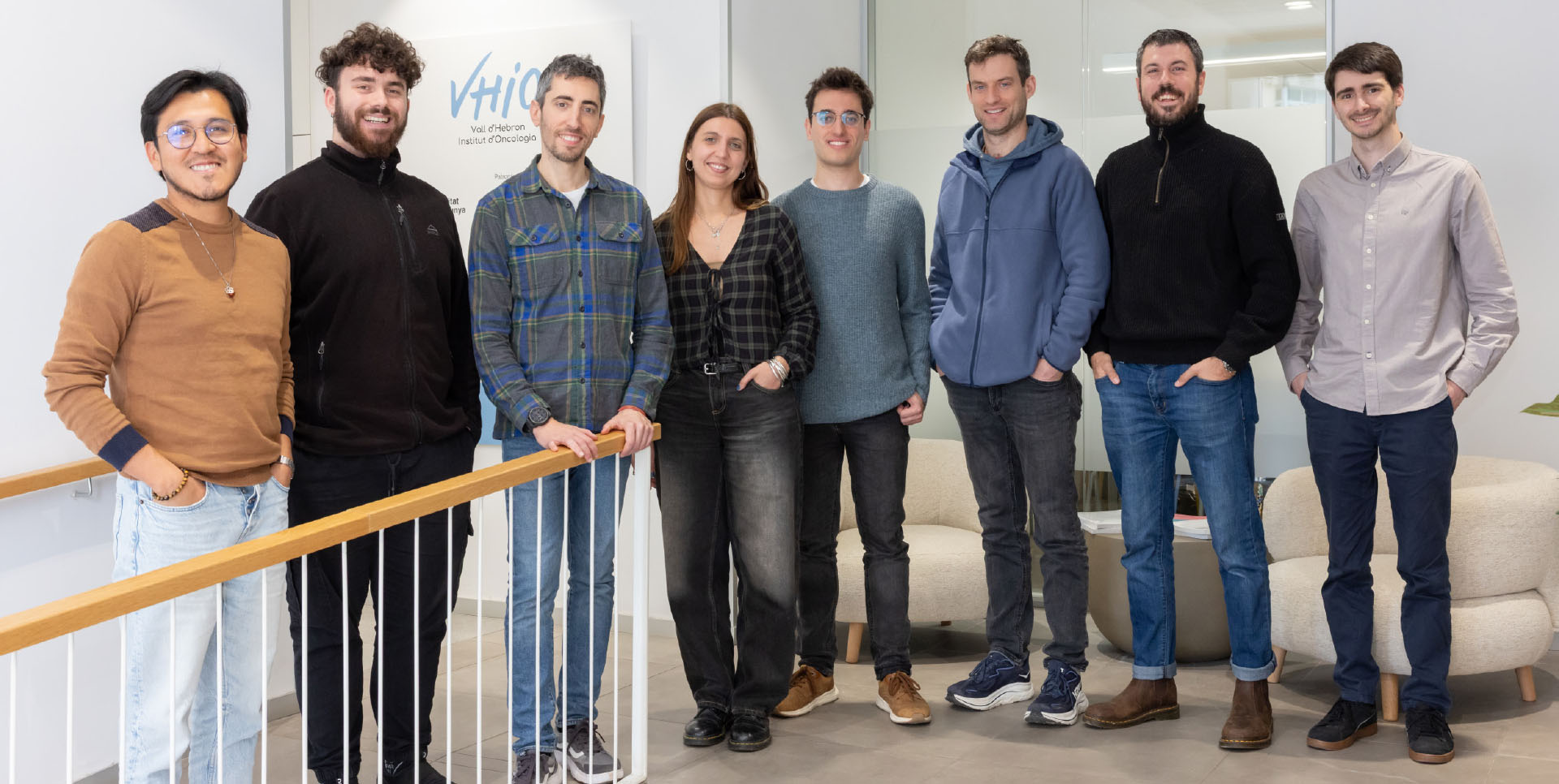
Group Leader Francisco Martínez Jiménez Data Analyst Joseph Usset Postdoctoral Fellows Ana Dueso Barroso, Manuel Jara Espejo, Lucas Michel Todó PhD Students Marc Arbones (co-supervised), Yulia Kremlyakova (co-supervised), Natasa Mortvanski Bioinformatician Sergio Esteban Echeverría, Adrian Parilla Mesas Master’s Student Alexios Giannoulas
Computational Immunogenomics Group
Our group focuses on advancing insights into the genomic basis of tumorigenesis and its interplay with the immune system. We perform large-scale tumor genomic analyses matched with a comprehensive profiling of the tumor immune microenvironment to better understand the tumor-immune crosstalk. Our final goal is to leverage this knowledge to improve the clinical development of tailored immunotherapies.
Given the emerging role of immune escape mechanisms in driving tumor development and metastasis, and the recognition that genomic alterations alone are not sufficient to explain cancer initiation and progression (Martínez-Jiménez et al. 2020, Martínez-Jiménez et al. 2023), the Cancer Immunogenomics Group is interested in developing computational models to 1) further the understanding of the interplay between tumor evolution and the immune system, and 2) harness this knowledge to improve the clinical development of tailored immunotherapies.
Our approach is based on integrating the genomic portrait of tumors (based on whole-exome/genome sequencing), which includes the identification of simple and complex tumor specific alterations, rationalized prioritization of tumor neoantigens, and characterization of tumor HLA-I status and other immune escape alterations; combined with a quantitative portrayal of the tumor immune microenvironment (using bulk transcriptomics/proteomics immune deconvolution, single cell and geospatial immune profiling, and TCR-sequencing). As an example, we have recently performed a large-scale analysis of the prevalence and impact of genetic immune escape alterations across >6,000 primary and metastatic tumors (Martinez-Jiménez, Priestley et al. 2023).
Thanks to our close collaboration with the Hartwig Medical Foundation we have access to one of the largest resources of whole genome sequenced tumors and full tumor transcriptomes (currently >7,000 patients, https://database.hartwigmedicalfoundation.nl/). Moreover, in-house data is generated to support the validation of our analyses and address specific questions that require more targeted analysis.
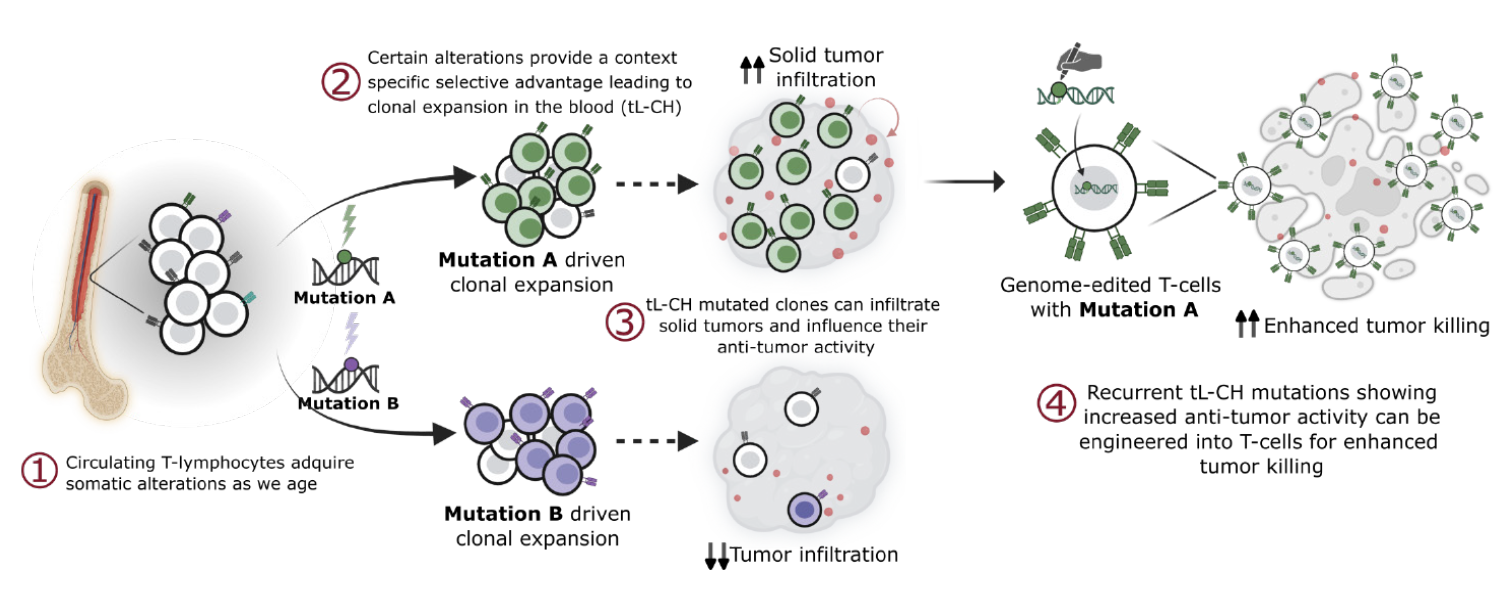
- Characterize T-lymphocyte clonal hematopoiesis mutations in T-lymphocyte and assess their influence in anti-cancer immunity.
- Study the immune-oncogenicity trade-off of cancer mutations.
- Understand the distinctive genomic and transcriptomic traits of cancer of unknown primary (CUP).
- Understand the transcriptional reprograming of metastatic tumors and the interplay with the genomic background
- Co-lead cancer genomics projects in collaboration with the Hartwig Medical Foundation to identify new clinical biomarkers for non-responders to cancer therapies and demonstrate the clinical added value of WGS as part of routine care.
- Obtained an ERC Consolidator grant to support our tL-CHANCER project.
- Contributed to three peer-reviewed research articles.
- Published a preprint describing new findings generated in our group.
- Secured additional competitive funding totalling >2.0 M€ to support our research.
- Our investigators have participated at multiple national and international meetings including and the European Society for Medical Oncology’s (ESMO) Molecular Analysis for Precision Oncology Congress (MAP 2025) and the EMBL Cancer Genomics Meeting.
- Understanding the influence of tL-CH mutations in anti-cancer immunity and development of adaptive transfer T-cell therapies.
- Understand the transcriptional reprograming of metastatic tumors and the interplay with the tumor’s genomic background
- Decipher the trade-off between oncogenicity and immunogenicity of cancer mutations.
- Understand the role of HLA-II cancer cell expression in tumor evolution and metastasis
- Unravel the elusive immunogenomic determinants of cancer of unknown primary (CUP).
- Engage in new synergistic projects with clinical teams at VHIO.
- Further expand our research collaborations with the Hartwig Medical Foundation.
- Usset J, de Ligt J, Roerink S, Roepman P, Cuppen E, Martínez-Jiménez F. Systematic identification of genomic non-response biomarkers to cancer therapies. bioRxiv [Preprint].2025.10.06.680777.
- Gumpert N, Sagie S, Arnedo-Pac C, Babu T, Weller C, Gonzalez-Perez A, Wang Y, Michel Todó L, Levy R, Chen X, Greenberg P, Dayan-Rubinov M, Yakubovich E, Wasserman-Bartov T, Zerbib M, Gong J, Rebernick RJ, Oliveira Tercero A, Agundez Muriel L, Benedek G, Kedmi M, Oren R, Ben-Dor S, Levin Y, Troyanskaya OG, Munzur AD, Wyatt AW, Cieslik MP, Quigley DA, Van Allen EM, Anandasabapathy N, Mateo J, Yang X, Martínez-Jiménez F, Lopez-Bigas N, Samuels Y. Recurrent immunogenic neoantigens and their cognate T-cell receptors in treatment-resistant metastatic prostate cancer. Cancer Discov. 2025. doi: 10.1158/2159-8290.CD-24-1213.
- Garrido G, Scrofani J, Arsenijevic A, Aranguren A, Martínez-Jiménez F, Borràs E, Sabidó E, Vernos I. Centrosome clustering in cancer cells requires microtubule assembly through a RanGTP-dependent TPX2-KIFC1 interaction. Curr Biol. 2025. doi: 10.1016/j.cub.2025.11.075.
- Awarded a European Research Council (ERC) Consolidator Grant for the project "tL-CHANCER".
- Awarded a Proyectos de Generación de Conocimiento 2024 grant, which included funding for an FPI (Formación de Personal Investigador) predoctoral fellowship.
- Unveiling the Role of T-Lymphocyte Clonal Hematopoiesis in Antitumor Immunity to Transform Cancer Immunotherapy. ERC-2025-COG. ProjectID: 101229642. June 2025-2030. Role: Principal Investigator.
- Analisis pan-cancer de la expresion intrinseca de HLA-II en las celulas cancerosas y su impacto en el panorama genomico y en el microambiente tumoral. Proyectos de Generación de Conocimiento 2024. ProjectID: PID2024-155588OA-I00. January 2025-2028. Role: Principal Investigator.
- Unravelling liver metastasis transcriptional regulators and their association to the tumor genomic landscape and the tissue of origin. CRIS Emerging Leader 2024. 2025-2029. Role: Principal Investigator.
- Systematic characterization of distinctive immunogenomic traits of Cancers of Unknown Primary (CUPs) to identify novel therapeutic opportunities. Lab AECC 2024. November 2024-2027. Role: Principal Investigator.
- Small cell lung cancer: from biology networks to tailored therapy. AECC 70 Survivorship 2024 Challenge. July 2024-2029. Group Funding: €250,000. Role: Work Package Leader: Comprehensive molecular and computational analysis.
- Ramon y Cajal program. Ministerio de Ciencia e Innovacion. (January 2024–2028). Principal Investigator: Francisco Martínez Jiménez (5th in Biomedicine). Characterization of the impact of genetic immune escape alterations on responses to Immune Checkpoint Inhibitors across human cancers.
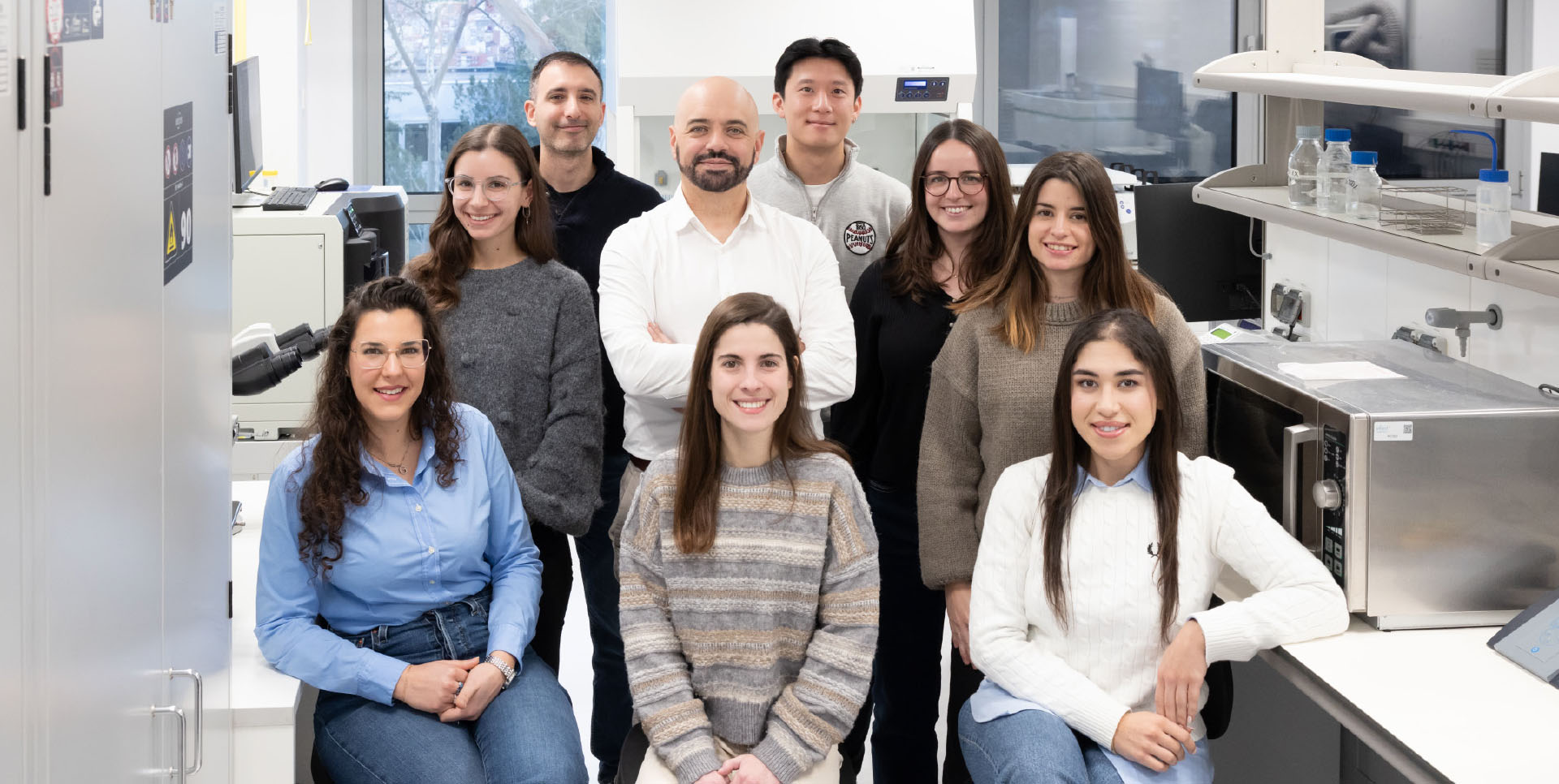
Group Leader Francisco M. Barriga Lab Manager Xieng Chen Wang Bioinformatician Gaia Grasso Postdoctoral Fellows Etna Abad, Dario Ruiz PhD Students Sofia Calpe, Golsa Jahangiri, Matea Katić, Claudia Yáñez
Cancer Genome Engineering Group
Our group studies cancer heterogeneity at the genetic and cell state level. From a genetics perspective, we focus on understanding large-scale chromosomal changes known as copy number alterations (CNAs). We combine state-of-the-art genome engineering strategies to uncover the mechanisms by which CNAs enable cancer cells to disseminate and resist therapies.
We are particularly interested in the role of these alterations in immune surveillance, tumor heterogeneity, and cancer genome evolution. We also leverage our genome engineering expertise to devise novel strategies to image, trace, and dissect the function of complex cell states in cancer. We aim to understand how genetic and phenotypic heterogeneity drives cancer progression and therapy resistance. Our ultimate goal is to identify the underlying principles that govern cancer heterogeneity and use this knowledge to design new therapeutic strategies that control cancer and improve patient care.
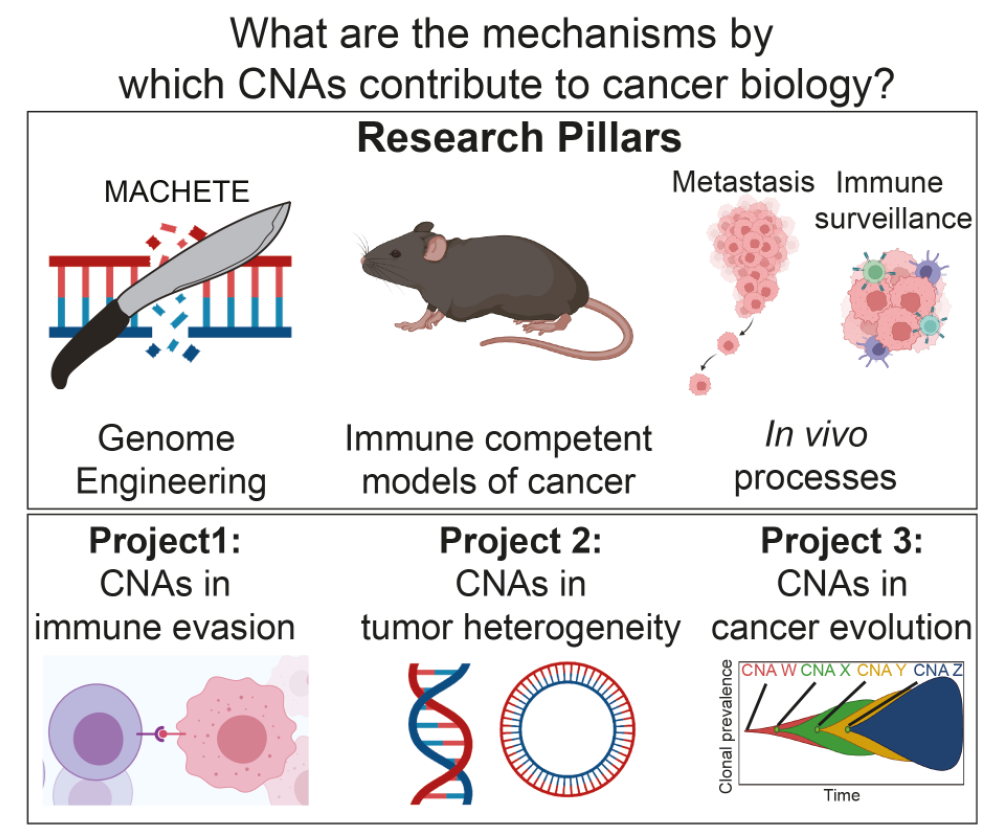
- Understand the role of copy number alterations (CNAs) as mechanisms of immune evasion and epigenetic rewiring.
- Identify the effect of CNAs in tumor heterogeneity.
- Dissect the contribution of CNAs and ploidy in shaping cancer genome evolution.
- Decipher the biology of unique cell states via combinatorial genetics models in vivo.
- We have developed novel genome engineering approaches to model gains and amplifications, and combinatorial genetics models to dissect complex cell states.
- We welcomed new lab members in 2025.
- We have contributed to multiple collaborative publications.
- Understand how copy number alterations and ploidy shape immune evasion in pancreatic as well as ovarian cancer.
- Dissect how oncogene topology drives intra-tumor heterogeneity in pancreatic cancer.
- Study genome evolution by modelling karyotypic interactions.
- Develop and apply combinatorial genetics approaches to study in vivo cell states.
- Chaves-Perez A, Millman SE, Janaki-Raman S, Ho YJ, Hinterleitner C, Barthet VJA, Morris JP 4th, Barriga FM, Reyes J, Kyaw A, Pasolli HA, Pe'er D, Thompson CB, Finley LWS, Cross JR, Lowe SW. Metabolic adaptations direct cell fate during tissue regeneration. Nature. 2025 Jul;643(8071):468-477. Erratum in: Nature. 2025 Jul;643(8072):E15.
- Duffié R, Shayya H, Escamilla Del Arenal M, Wang M, Kahiapo J, Ugurbil A, Keskin A, Clowney F, Bashkirova EV, Pourmorady AD, Schieren I, Avila HI, Berchowitz LE, Barriga FM, Batlle E, Jovanovic M, Lomvardas S. Mex3a-dependent post-transcriptional silencing ensures olfactory receptor diversity and axon guidance specificity. Cell Rep. 2025 Aug 26;44(8):115979.
- Zhao X, Liu B, William WN, Tsanov KM, Ho YJ, Barriga FM, Lim RJ, Trifas M, Khandekar A, Du Y, Lowe SW, Dubinett SM, Davoli T, Lippman SM. Interferon Epsilon Loss Is Elusive 9p21 Link to Immune-Cold Tumors, Resistant to Immune Checkpoint Therapy, and Endogenous CXCL9/10 Induction. J Thorac Oncol. 2025 Sep;20(9):1177-1236.
- Tsanov KM, Barriga FM, Ho YJ, Alonso-Curbelo D, Livshits G, Tian S, Koche RP, Baslan T, Simon J, Wuest AN, Reyes J, Park J, Luan W, Wilkinson JE, Bhanot U, Ray-Kirton J, Masilionis I, Dimitrova N, Iacobuzio-Donahue CA, Chaligné R, Pe'er D, Massagué J, Lowe SW. SMAD4 induces opposite effects on metastatic growth from pancreatic tumors depending on the organ of residence. Nat Cancer. 2025 Nov;6(11):1839-1856.
- Francisco M. Barriga was an Invited Speaker at the Francis Crick Institute, London (UK), Nencki Institute, Warsaw (Poland), Salamanca Cancer Research Center – CIC (Spain), Institute of Cancer Research, London (UK), and at the 2nd Botton-Champalimaud International Pancreatic Cancer Conference, 29th October – 1st November, Lisbon (Portugal).
- Reference: 101041659 (Acronym: MACHETE) Title: Unravelling the Functional Complexity of Cancer Genomes through Chromosome Engineering Funding Entity – Call: ERC – Starting Grant PI/Institution: Francisco Barriga, PhD / VHIO Funding Period: January 2023 – December 2028
- Reference: RYC2022-037389-I Title: Dissecting the function of copy number alterations in cancer. Funding Entity – Call: Agencia Estatal de Investigación – Ayuda Ramón y Cajal 2022 PI/Institution: Francisco Barriga, PhD / VHIO Funding Period: January 2024 – December 2028
- Reference: PID2022-141256OA-I00 (Acronym: EPI-MHC) Title: Dissecting the epigenetic effects of MHC cluster deletion in pancreas cancer Funding Entity – Call: Agencia Estatal de Investigación – Proyectos de Generación de Conocimiento 2022 PI/Institution: Francisco M. Barriga, PhD / VHIO Funding Period: September 2023 – August 2026
- Reference: CNS2023-144041 Title: Unravelling the function of anti-tumor immune cell states through combinatorial genetics Funding Entity – Call: Agencia Estatal de Investigación – Consolidación Investigadora 2023 PI/Institution: Francisco M. Barriga, PhD / VHIO Funding Period: April 2024 – March 2026
- Reference: Beca FERO Title: Dissecting the epigenetic and immune effects of MHC LOH in ovarian cancer Funding Entity – Call: Fundación FERO – XXVI Beca FERO PI/Institution: Francisco M. Barriga, PhD / VHIO Funding Period: October 2024 – September 2026
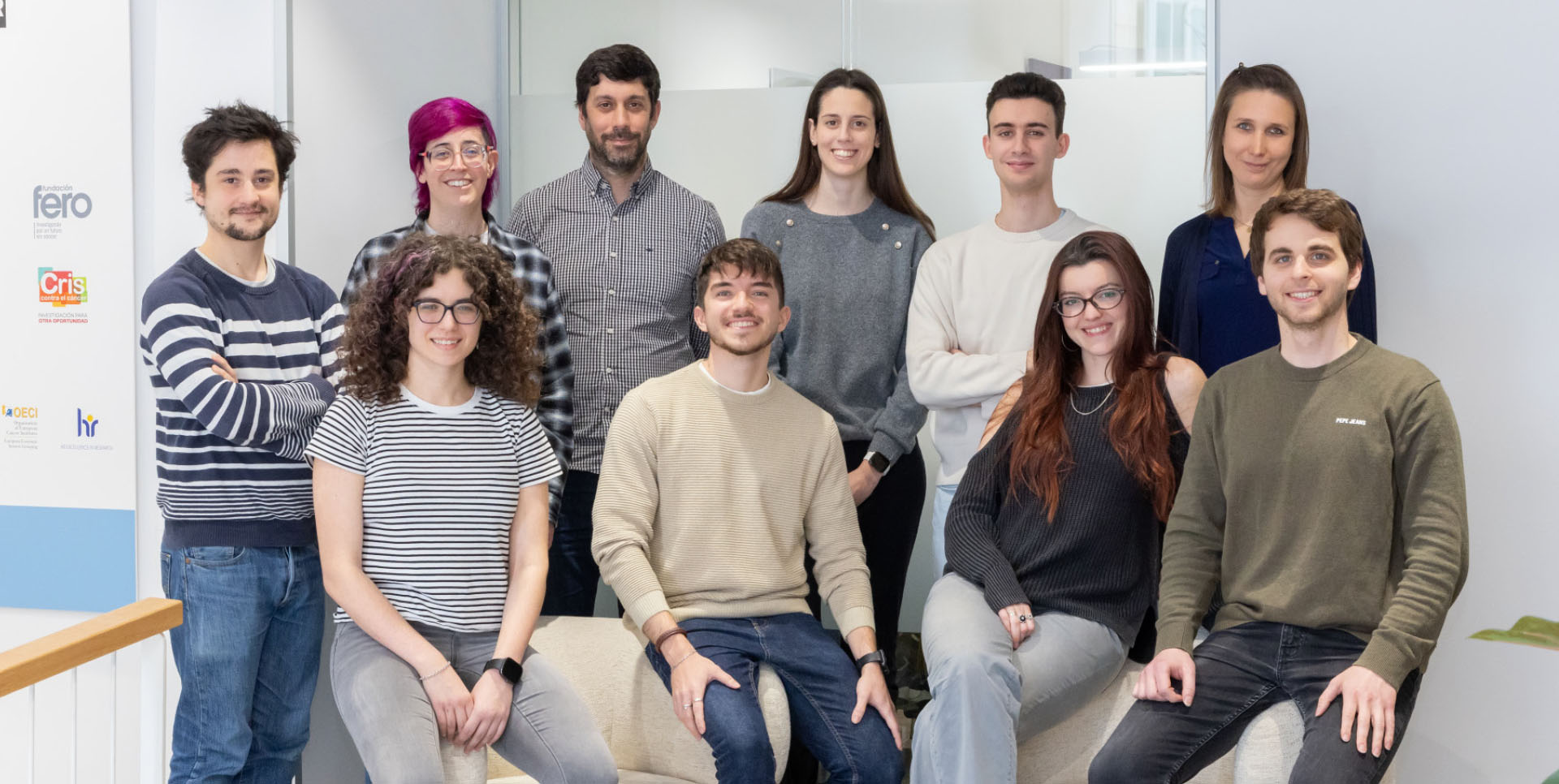
Group Leader José A. Seoane Postdoctoral Fellows Hubert Bretonniere, Lea Lemler, Silvana Maas Graduate Students Enric Álvarez, María Butjosa, María José Fariña, Arnau Llinàs, Laia Ollé, Juan Rafael Valera, Xavier Viñas. Master’s Student Núria Montalà
Cancer Computational Biology Group
Led by José A. Seoane, VHIO’s Cancer Computational Biology Group leverages large-scale genetic and epigenetic cancer datasets to elucidate the molecular mechanisms underlying tumor initiation, progression, drug resistance and , with the ultimate goal of improving patient outcomes.
Our research focuses on defining the role of chromatin regulatory elements in treatment response and metastatic progression, identifying epigenetic synthetic lethality-based therapeutic options, improving patient stratification through integrative multi-omics analyses, and discovering novel epigenetic biomarkers of therapeutic response. We have previously demonstrated how genetic modifiers of chromatin structure are associated with chemotherapy resistance in breast cancer (Seoane et al. 2019 , and we continue to investigate how epigenetic alterations drive drug resistance and how epigenetic therapies can be leveraged to reactivate tumor suppressor pathways.
In parallel, we develop machine learning approaches for the horizontal and vertical integration of multi-omics datasets to uncover previously unrecognized cancer subgroups, identify predictive biomarkers, and improve the prediction of treatment outcomes and drug response. Additionally, we are advancing epigenetic methodologies to infer past environmental exposures from tumor samples.
The group actively contributes to multiple international collaborative efforts, including The Cancer Genome Atlas, the Human Tumor Atlas Network, Cancer Target Discovery and Development (CTD 2) Network, and, most recently, AURORA (metastatic breast cancer multi-omics cohort), reinforcing its commitment to data-driven discovery and translational impact.
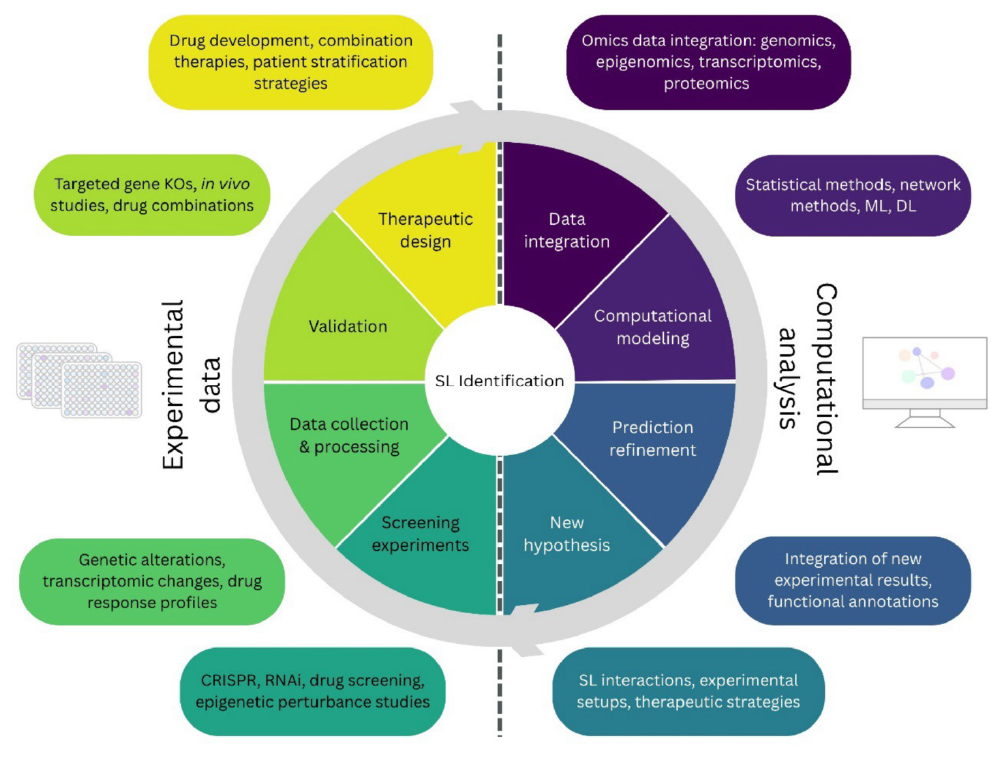
- Understand the role of chromatin regulatory elements in treatment response and metastasis.
- Discover new epigenetic biomarkers of drug response.
- Potentiate therapeutic options by combining epigenetic therapies with other agents.
- Discover potential environmental causes of early onset cancer using epigenetic tools.
- Develop clinically actionable machine learning algorithms for prediction and patient stratification.
- Our group was awarded a LAB AECC grant by the Scientific Foundation of the Spanish Association Against Cancer (Asociación Española Contra el Cáncer – AECC), to study the subtypes of BRAF mutant colorectal cancer (CRC).
- In 2025, we welcomed Xavi Viñas and Núria Montalà to our team.
- Silvana Maas presented our exposome work at the American Association for Cancer Research (AACR) Special Conference in Cancer Research: The Rise in Early-Onset Cancers— Knowledge Gats and Research Opportunities, 10 - 13 December, Montreal, Canada, and the European Association for Cancer Research (EACR) – Mark Foundation Joint Conference: The Rise of Early-Onset Cancers – Biology, Causes and Detection, 11 – 13 November, Bergamo, Italy.
- Determine epigenetic synthetic lethality changes in gastrointestinal cancers.
- Investigate the epigenetic changes in post hormone treatment for ER+ and its association with metastatic breast cancer.
- Identify a cell-cycle based signature of treatment prediction in colon cancer.
- Identify exposome-related causes of cancer initiation.
- Develop clinically useful machine learning models.
- Farina-Morillas M, Ollé-Monràs L, Maas SC, de Rojas-P I, Segura MF, Seoane JA. Epigenetic synthetic lethality as a cancer therapeutic strategy: synergy of experimental and computational approaches. Epigenomics. 2025 Oct;17(15):1069-1081.
- Carra D, Maas SCE, Seoane JA, Alonso-Curbelo D. Exposomal determinants of non-genetic plasticity in tumor initiation. Trends Cancer. 2025 Apr;11(4):295-308.
- Llinas-Bertran A, Butjosa-Espín M, Barberi V, Seoane JA. Multimodal data integration in early-stage breast cancer. Breast. 2025 Apr;80:103892.
- Biagioni C, Fimereli D, Irrthum A, Guerrero-Zotano A, Piccart M, Cameron D, Caballero C, Raimbault A, Martins-Branco D, Romagnoli D, Agostinetto E, Venet D, Llinas-Bertran A, Seoane JA, Zoppoli G, Vivancos A, Vingiani A, Oliveira M, Curigliano G, Crestani T, Sotiriou C, Nili Gal-Yam E, Hilbers FS, Aftimos P, Benelli M. Molecular and clinical analyses of gene fusions identify therapeutic targets in paired primary and metastatic breast cancer from the AURORA program (BIG 14-01). Clin Cancer Res. 2025. doi: 10.1158/1078-0432.CCR-25-2707.
- Our group was awarded a LAB AECC grant by the Scientific Foundation of the Spanish Association Against Cancer (Asociación Española Contra el Cáncer – AECC), to study the subtypes of BRAF mutant colorectal cancer (CRC).
- Ramon y Cajal Grant. Agencia Estatal de Investigación. 2021-2025.
- TACTIC: Explorando soluciones a los retos de salud mediante ciencia disruptiva, terapias avanzadas y medicina de sistemas. Programa FORTALECE ISCIII REF: FORT23/00034. 2024-2027. PI: José A. Seoane
- De novo subtype definition and characterization of BRAF V600E colorectal cancer patients. AECC Lab. Fundación Asociación Española Contra el Cancer. REF: LABAE259065SEOA. 2025-2029. PI: José A. Seoane
- CHROME: Characterizing Heterogeneous Regulatory Programs in ER+ breast cancer. Programa Retos de Investigación. Ministerio de Ciencia, Innovación y Universidades. REF PID2024-162678OB-I00. 2025-2028. PI: José A. Seoane
- The Boomers study: identifying a causative role for pks+ e-coli mutagenesis in early onset colorectal cancer evolution. Biology to Prevention Program. Cancer Research UK. 2025-2030. PI: Trevor Graham (ICR, UK)
Group Leader Raquel Perez-Lopez Postdoctoral Fellows Alonso García, Francesco Grussu, Oscar Llorián PhD Students Maria Balaguer, Marta Buetas, Athanasios Grigoriou, Carlos Macarro, Daniel Navarro, Olivia Prior, Anna Voronova Student Eva Magallón Laboratory Technician Cristina Mendoza Computer Scientists Adrià Marcos, Camilo Monreal Research Fellows Luz María Atlagich, Nikos Satikoglou Data Curator Christina Zatse
Radiomics Group
The Radiomics Group is devoted to advancing precision oncology through the development and clinical translation of artificial intelligence (AI) and data integration tools, with a particular focus on medical imaging. Our vision is to harness the full potential of radiomics and computational modelling to transform cancer care, making diagnostics more accurate, treatments more personalized, and patient outcomes improved.
By combining expertise in engineering and machine learning, we work toward the discovery, validation, and clinical qualification of imaging biomarkers that inform and guide treatment decision-making. We are also deeply committed to supporting drug development by leveraging functional imaging techniques within clinical trials, enabling real-time insights into treatment response.
Through our interdisciplinary approach, strong collaborations, and commitment to innovation, the VHIO Radiomics Group aims to be at the forefront of computational oncology, shaping the future of cancer diagnostics and therapeutics.
In 2025, we were thrilled to welcome Cristina Mendoza as a new technician to our team. Cristina has a solid background in biomedical engineering and valuable experience in medical image analysis. We are confident that her fresh perspective will enrich the group's work, and we eagerly anticipate her future doctoral studies within our team. Her potential for innovative ideas, proactive approach, and leadership in project management are qualities we believe will significantly benefit our research activities.
We are proud to announce that Olivia Prior and Anna Voronova successfully completed their doctoral theses by the end of 2025 and are planning to defend them in early 2026.
This year, our team secured several important grants, both as Principal Investigators and collaborators. Among these, we successfully obtained funding from the FERO Foundation, enabling us to further advance our research initiatives.
Raquel Perez-Lopez received notable appointments this year, becoming the Chair of the European Society of Radiology (ESR) Research Working Group and as a member of the Steering Committee of the European Society for Artificial Intelligence in Cancer (ESAC). These roles reflect her leadership in oncological imaging and her ongoing commitment to advancing the responsible integration of artificial intelligence into cancer research and clinical practice.
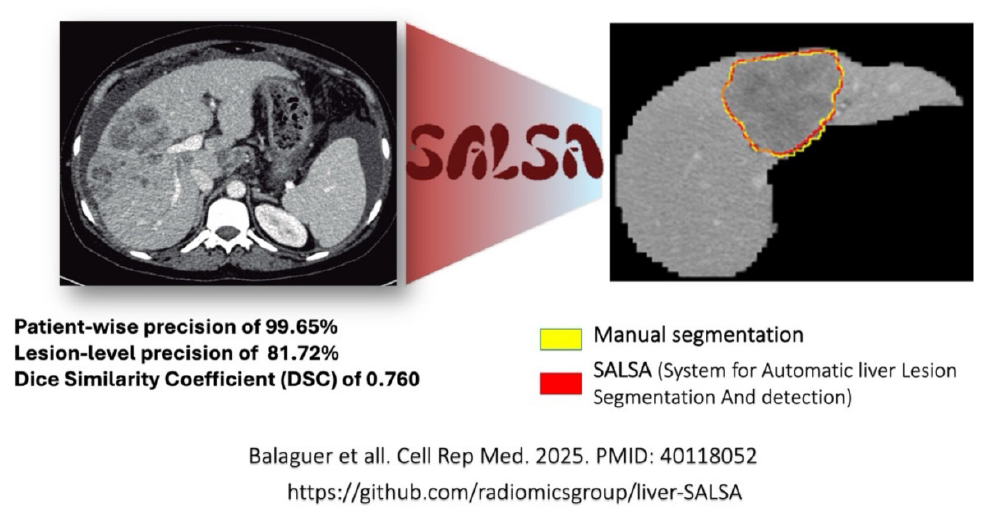
- Develop and optimize pipelines for AI models of data integration with particular focus on medical imaging and the integration of explainable models.
- Provide expertise in engineering and bioinformatics for the development and clinical qualification of imaging biomarkers for precision oncology to improve outcomes for cancer patients.
- Use functional imaging to optimize drug development in clinical trials.
- Integrate radiomics with other omics in translational studies to achieve a deeper understanding of tumor evolution and mechanisms of resistance to anti-cancer therapies.
- Award of a Miguel Servet Fellowship to Raquel Perez-Lopez, supporting the long-term consolidation and independence of the Radiomics Group.
- Appointment of Raquel Perez-Lopez as Chair of the ESR Research Group, significantly expanding the group’s European collaborative network and influence on AI and imaging research policy and standards.
- Publication of multiple high-impact articles and consensus documents in leading journals, reinforcing the group’s scientific leadership in radiomics and AI-driven imaging biomarkers.
- Continued expansion of national and international collaborations, particularly in multicentric AI development, federated learning, real-world imaging data integration, and industry-supported clinical trials.
- Consolidate the Radiomics Group as a reference team in AI-driven oncological imaging by attracting and mentoring talented radiologists, physicists, and engineers within a strong multidisciplinary environment.
- Leverage new leadership roles at the European level to strengthen strategic collaborations and actively contribute to shaping standards, guidelines, and best practices for imaging biomarkers and artificial intelligence in oncology.
- Accelerate the translation of advanced imaging and AI methodologies into clinical research and trials at VHIO and partner institutions, ensuring robust, clinically meaningful, and scalable solutions.
- Navarro-Garcia D, Grussu F, Zatse C, Klümper N, Macarro C, Hernando-Calvo A, Sanz M, Vieito M, Braña I, Mirallas O, Alonso G, Galvao V, Pretelli G, Lostes J, Oberoi A, Toledo R, Nuciforo P, Garralda E, Perez-Lopez R. Integrating C-reactive protein flare and early MRI dynamics for enhanced prediction of immunotherapy response. J Immunother Cancer. 2025 Dec 21;13(12):e012143.
- Balaguer-Montero M, Marcos Morales A, Ligero M, Zatse C, Leiva D, Atlagich LM, Staikoglou N, Viaplana C, Monreal C, Mateo J, Hernando J, García-Álvarez A, Salvà F, Capdevila J, Elez E, Dienstmann R, Garralda E, Perez-Lopez R. A CT-based deep learning-driven tool for automatic liver tumor detection and delineation in patients with cancer. Cell Rep Med. 2025 Apr 15;6(4):102032.
- Voronova AK, Grigoriou A, Bernatowicz K, Simonetti S, Serna G, Roson N, Escobar M, Vieito M, Nuciforo P, Toledo R, Garralda E, Fieremans E, Novikov DS, Palombo M, Perez-Lopez R, Grussu F. SpinFlowSim: A blood flow simulation framework for histology-informed diffusion MRI microvasculature mapping in cancer. Med Image Anal. 2025 May;102:103531.
- In 2025, Raquel Perez-Lopez was awarded a Miguel Servet Research Fellowship, Instituto de Salud Carlos III (ISCIII) (Spanish Ministry of Health).
- She was also appointed as Chair of the Research Working Group of the European Society of Radiology (ESR), the Oncology Imaging Commission of the Spanish Association of Radiology (SERAM), and as a Member of the European Society of AI & Cancer Research (ESAC) Steering Committee.
During 2025, the Radiomics Group significantly strengthened its collaborative activities within VHIO, at the national level, and with industry partners, reinforcing the translational impact of its research.
- ProstateVISION: Transforming BRCAness Biomarker Detection through Deep Learning is a newly awarded project funded by the FERO Foundation and led by Raquel Perez-Lopez. The project leverages deep learning applied to multiparametric prostate MRI to enable non-invasive identification of BRCAness-related phenotypes. By integrating radiomics, artificial intelligence, and clinical–genomic data, ProstateVISION aims to refine patient stratification, inform treatment decisions, and advance precision medicine strategies in prostate cancer.
- At the institutional level, the group established a close collaboration with the VHIO Sarcoma Unit through a study coordinated by Claudia Valverde under GEIS support. Within this framework, the group participates in the multicentric study PRESARC (PREdicción en SARComas retroperitoneales), focused on the application of radiomics and artificial intelligence for histological prediction and surgical planning in retroperitoneal sarcomas. This collaboration enables the integration of advanced imaging biomarkers into complex clinical decision-making pathways and represents a clear example of successful interdisciplinary research between imaging scientists, oncologists and surgical oncology teams.
- In parallel, the Radiomics Group expanded its collaboration with the Urogenital Cancer Unit at VHIO, coordinated by Cristina Suárez, through a Fondo de Investigaciones Sanitarias (FIS) project funded by the Spanish Ministry of Health. This collaboration focuses on the development and validation of AI-driven imaging biomarkers in renal cancer, strengthening the group’s role in nationally funded precision oncology initiatives.
- Industry engagement also increased during this period. The group expanded its collaborations with pharmaceutical and technology partners, contributing imaging and AI expertise to clinical trials and translational programs. Notably, the group is involved in imaging biomarker development and data integration efforts within industry-sponsored studies such as the TOPAZ trial CT-radiomics study.
- Navarro-Garcia D, Grussu F, Zatse C, Klümper N, Macarro C, Hernando-Calvo A, Sanz M, Vieito M, Braña I, Mirallas O, Alonso G, Galvao V, Pretelli G, Lostes J, Oberoi A, Toledo R, Nuciforo P, Garralda E, Perez-Lopez R. Integrating C-reactive protein flare and early MRI dynamics for enhanced prediction of immunotherapy response. J Immunother Cancer. 2025 Dec 21;13(12):e012143. doi: 10.1136/jitc-2025-012143. PMID: 41423273; PMCID: PMC12718596.
- Mathes S, Ferber D, Dreyer T, Borm KJ, Modersohn L, Willem T, Dirven R, Vibert J, Kreutzfeldt S, Perez-Lopez R, Prelaj A, Strand F, Baird RD, Boeker M, Kather JN, Tschochohei M, Lammert J. Collaborative framework on responsible AI in LLM-driven CDSS for precision oncology leveraging real-world patient data. NPJ Precis Oncol. 2025 Dec 4;10(1):15. doi: 10.1038/s41698-025-01180-5. PMID: 41345244; PMCID: PMC12796327.
- Grussu F, Grigoriou A, Bernatowicz K, Palombo M, Casanova-Salas I, Navarro-Garcia D, Barba I, Simonetti S, Serna G, Macarro C, Voronova AK, Garay V, Corral JF, Vidorreta M, García-Polo García P, Merino X, Mast R, Rosón N, Escobar M, Vieito M, Toledo R, Nuciforo P, Mateo J, Garralda E, Perez-Lopez R. Clinically feasible liver tumour cell size measurement through histology-informed in vivo diffusion MRI. Commun Med (Lond). 2025 Nov 20;5(1):535. doi: 10.1038/s43856-025-01246-2. PMID: 41266804; PMCID: PMC12749696.
- Aldea M, Salto-Tellez M, Marra A, Umeton R, Stenzinger A, Koopman M, Prelaj A, Kehl KL, Gilbert S, Leßmann ME, Lipkova J, Provenzano L, Meric-Bernstam F, Halabi S, Wu J, Pellat A, Suijkerbuijk KPM, Besse B, Ryll B, Marchió C, Crispin-Ortuzar M, Fehrmann R, Vibert J, Ferber D, Pauli C, Valachis A, Corso F, Brinker TJ, Mateo J, Harbeck N, Winkler EC, Lopez-Rios F, Perez-Lopez R, Pentheroudakis G, Delaloge S, Benedikt Westphalen C, Kather JN. ESMO basic requirements for AI-based biomarkers in oncology (EBAI). Ann Oncol. 2025 Nov 18:S0923-7534(25)06267-2. doi: 10.1016/j.annonc.2025.11.009. Epub ahead of print. PMID: 41260261.
- Palombo M, Bodini B, Grussu F, Le Bihan D, Nilsson M, Perez-Lopez R, Oei EHG, Schoots IG, Smits M, Jelescu IO. ESR Essentials: diffusion-weighted MRI-practice recommendations by the European Society for Magnetic Resonance in Medicine and Biology. Eur Radiol. 2025 Oct 2. doi: 10.1007/s00330-025-12033-x. Epub ahead of print. PMID: 41037070.
- Simulation-informed evaluation of microvascular parameter mapping for diffusion MR imaging of solid tumours AK Voronova, O Prior, A Grigoriou, et al. medRxiv, 2025.08. 27.25334553
- de Grandis MC, Baraibar I, Prior O, Balaguer-Montero M, Salvà F, Ros J, Rodríguez-Castells M, Tabernero J, Lonardi S, Perez-Lopez R, Élez E. Differentiating low tumor burden from oligometastatic disease in colorectal cancer: a call for individualized therapeutic approaches. ESMO Open. 2025 Aug;10(8):105520. doi: 10.1016/j.esmoop.2025.105520. Epub 2025 Aug 12. PMID: 40803019; PMCID: PMC12361753.
- Clusmann J, Balaguer-Montero M, Bassegoda O, Schneider CV, Seraphin T, Paintsil E, Luedde T, Lopez RP, Calderaro J, Gilbert S, Marjot T, Spann A, Shawcross DL, Lens S, Trépo E, Kather JN. The barriers to uptake of artificial intelligence in hepatology and how to overcome them. J Hepatol. 2025 Dec;83(6):1410-1426. doi: 10.1016/j.jhep.2025.07.003. Epub 2025 Jul 18. PMID: 40920593.
- Real-world radiology data for artificial intelligence-driven cancer support systems and biomarker development D Navarro-Garcia, A Marcos, R Beets-Tan, et al. ESMO Real World Data and Digital Oncology
- Voronova AK, Grigoriou A, Bernatowicz K, Simonetti S, Serna G, Roson N, Escobar M, Vieito M, Nuciforo P, Toledo R, Garralda E, Fieremans E, Novikov DS, Palombo M, Perez-Lopez R, Grussu F. SpinFlowSim: A blood flow simulation framework for histology-informed diffusion MRI microvasculature mapping in cancer. Med Image Anal. 2025 May;102:103531. doi: 10.1016/j.media.2025.103531. Epub 2025 Mar 7. PMID: 40073583; PMCID: PMC12034030.
- Balaguer-Montero M, Marcos Morales A, Ligero M, Zatse C, Leiva D, Atlagich LM, Staikoglou N, Viaplana C, Monreal C, Mateo J, Hernando J, García-Álvarez A, Salvà F, Capdevila J, Elez E, Dienstmann R, Garralda E, Perez-Lopez R. A CT-based deep learning-driven tool for automatic liver tumor detection and delineation in patients with cancer. Cell Rep Med. 2025 Apr 15;6(4):102032. doi: 10.1016/j.xcrm.2025.102032. Epub 2025 Mar 20. PMID: 40118052; PMCID: PMC12047525.
- Saldanha OL, Zhu J, Müller-Franzes G, Carrero ZI, Payne NR, Escudero Sánchez L, Varoutas PC, Kyathanahally S, Laleh NG, Pfeiffer K, Ligero M, Behner J, Abdullah KA, Apostolakos G, Kolofousi C, Kleanthous A, Kalogeropoulos M, Rossi C, Nowakowska S, Athanasiou A, Perez-Lopez R, Mann R, Veldhuis W, Camps J, Schulz V, Wenzel M, Morozov S, Ciritsis A, Kuhl C, Gilbert FJ, Truhn D, Kather JN. Swarm learning with weak supervision enables automatic breast cancer detection in magnetic resonance imaging. Commun Med (Lond). 2025 Feb 6;5(1):38. doi: 10.1038/s43856-024-00722-5. PMID: 39915630; PMCID: PMC11802753.
- Bernatowicz K, Amat R, Prior O, Frigola J, Ligero M, Grussu F, Zatse C, Serna G, Nuciforo P, Toledo R, Escobar M, Garralda E, Felip E, Perez-Lopez R. Radiomics signature for dynamic monitoring of tumor inflamed microenvironment and immunotherapy response prediction. J Immunother Cancer. 2025 Jan 11;13(1):e009140. doi: 10.1136/jitc-2024-009140. PMID: 39800381; PMCID: PMC11749429.
- Grigoriou A, Macarro C, Palombo M, Navarro-Garcia D, Voronova AK, Bernatowicz K, Barba I, Escriche A, Greco E, Abad M, Simonetti S, Serna G, Mast R, Merino X, Roson N, Escobar M, Vieito M, Nuciforo P, Toledo R, Garralda E, Sala-Llonch R, Fieremans E, Novikov DS, Perez-Lopez R, Grussu F. Histology-informed microstructural diffusion simulations for MRI cancer characterisation-the Histo-μSim framework. Commun Biol. 2025 Nov 26;8(1):1695. doi: 10.1038/s42003-025-09096-3. PMID: 41298809; PMCID: PMC12657972.
Group Leader Marcos Malumbres Senior Scientist Begoña Hurtado Postdoctoral Scientists Elisabeth Aliagas, Aurane Froux, Isabel García Cao, Alexis Pérez Research Assistants Lidia Pérez, Sylwia Radomska, Raquel Vendrell Graduate Students Gloria C. Bonel, Mariona Cubells, Alejandro García-Díaz, Fátima Guerra, Tingxuan Li, Cristina Molina, Enrique Nogueira Bioinformaticians Simon Bajew, Agustín Sánchez Belmonte
Cancer Cell Cycle Group
We are interested in the basic mechanisms that control cell differentiation and proliferation, and their implications in human disease. Adopting a patient-focused perspective, we aim to evaluate the therapeutic opportunities of inhibiting the activity of critical cell cycle regulators in cancer. Inhibition of cyclin-dependent kinases 4 and 6 (CDK4/6), along with hormonotherapy, is the current standard of care in advanced estrogen receptor-positive breast cancer. However, most metastatic tumors develop resistance, and these inhibitors are not effective in the treatment of other tumor types. Intriguingly, despite extensive cell cycle analysis in the last few years, we still do not understand how cells drive the cell cycle in the absence of CDK4/6 activity. We believe that the CDK family of protein kinases, composed of 20 family members, may provide additional targets not only for tumors with resistance to CDK4/6 inhibitors but also for other pathologies in need of novel therapies. In recent years, we have generated genetic and biochemical tools for the analysis of these drives of proliferation in several tumors types of the breast, liver or lung, as well as gynaecological malignancies.
We are particularly interested in tumors that have lost the control of the cell cycle by altering the retinoblastoma protein (RB1). These mutations are relatively moderate in human cancers (<10%) but are highly relevant in specific tumor types, such as aggressive neuroendocrine carcinomas. How to stop cell proliferation in these aggressive tumor cells is a difficult scientific challenge with important implications for patients with these currently untreatable cancers.
In addition to providing new therapies, we also need to monitor how tumors respond to these treatments more efficiently. We are currently exploring the use of single-cell and spatial genomic and transcriptomic studies to better understand mechanisms of sensitivity and resistance to available therapies. Performing these studies not only in tumoral samples but also in liquid biopsies will facilitate the rapid identification of patients with poor response to available therapies, and the analysis of new actionable mechanisms for future therapies.
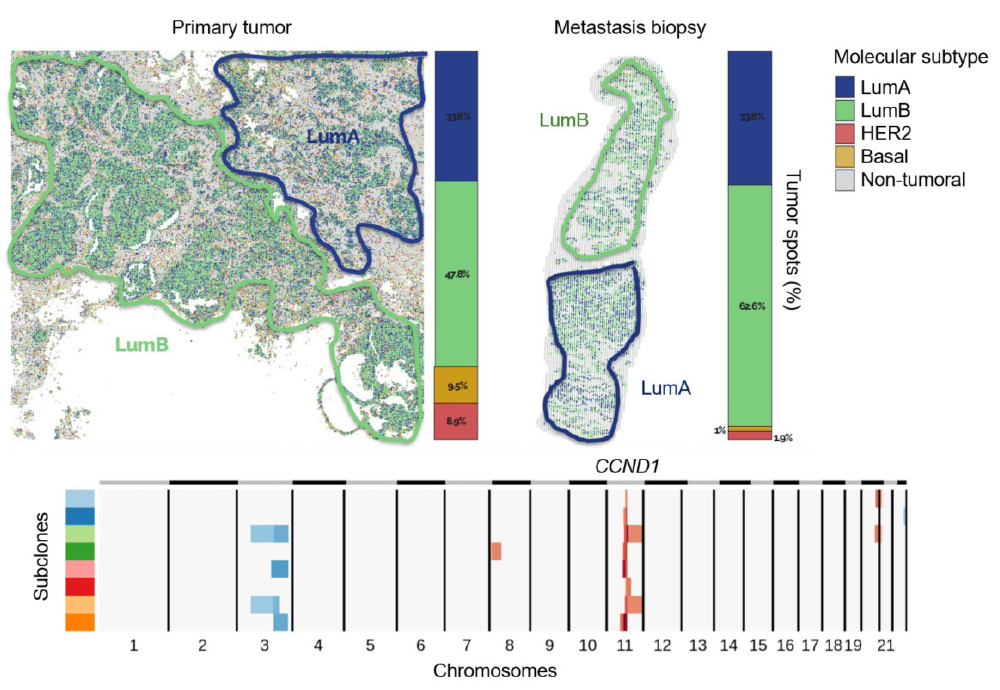
- Understand how the balance between proliferation and quiescence or senescence is controlled in physiological conditions.
- Advance insights into the mechanisms of resistance to cyclin-dependent kinases 4 and 6 (CDK4/6) inhibitors: biomarkers and combinatorial therapies.
- Evaluate novel therapeutic approaches based on cell cycle CDKs as well as unconventional CDKs of unknown function.
- Assess core cell cycle and DNA damage-targeted therapies for patients in progression to current standard-of-care treatments.
- Develop pipelines for monitoring how tumor and immune cells co-evolve in real time in response to cancer treatments.
- Cyclin-dependent kinases (CDKs) are major cell cycle kinases involved in proliferation of normal and tumor cells. We have discovered a novel role of members of the CDK14-CDK18 subfamily and associated Y-type cyclins in the development of aggressive WNT/MYC induced tumors, as well as a novel connection with glucose and lipid metabolism frequently altered in these tumors. We are exploring the relevance of these kinases as cancer targets.
- About 20-30% of patients with metastatic ER+ HER2-negative breast cancer show intrinsic response to standard-of-care treatments based on endocrine therapy and CDK4/6 inhibitors. In collaboration with the Breast Cancer Unit of the Hospital 12 de Octubre and the SOLTI network, we have analyzed samples from 100 advanced ER+ HER2- breast cancer patients and studied the mechanisms responsible for the lack of response, suggesting possible new combinational treatments that we are validating experimentally.
- miR203 is a small non-coding RNA with relevant implications in tumor development and metastatic progression. By generating novel genetically-engineered mouse models with increased or decreased expression of this microRNA, we have uncovered a new function in the control of the transition between totipotency and pluripotency through the control of critical epigenetic regulators.
- Detailed molecular characterization of genomic and transcriptomic events in progressive disease in breast cancer, gynaecological malignancies, and aggressive neuroendocrine tumors.
- Investigation of novel therapies aimed at limiting oncogenic WNT and MYC signaling in breast, colorectal and lung cancers.
- A dependence map depicting the different requirements of a variety of tumor types on the CDK family.
- Molecular mechanisms and new therapies targeting cell proliferation in RB1-deficient cancers.
- Brandariz J, de Llobet L, Esquefa V, Aguilar D, Salca A, Arce-Gallego S, Cresta Morgado P, Sole A, Agundez L, Mir G, Castro N, Casals T, Oliveira A, Casanova-Salas I, Malumbres M, Carles J, Morellá-Aucejo Á, Bernardos A, Martínez-Máñez R, Mateo J, Herranz N. Harnessing Senolytics and PARP Inhibition to Expand the Antitumor Activity of CDK4/6 Inhibitors in Prostate Cancer. Mol Cancer Ther. 2025 Dec 2;24(12):1959-1976.
- Tolosa P, Pascual T, Martínez-Saez O, Hernando C, Servitja S, Fernández Abad M, Brasó-Maristany F, Sanfeliu E, Benitez Fuentes JD, Lema L, Ruano Y, García-Fructuoso I, Parrilla L, Rodríguez A, Roncero AM, Cobos MÁ, Sánchez-Bayona R, Alva M, Madariaga A, Villacampa G, Canes J, Salvador F, Sánchez-Belmonte A, Malumbres M, Prat A, Ciruelos E. Efficacy outcomes of CDK4/6 inhibitors in combination with endocrine therapy treatment in hormone receptor-positive/HER2-negative advanced breast cancer according to PAM50 intrinsic subtype: Primary results of SOLTI-1801 CDK-PREDICT study. Eur J Cancer. 2025 Feb 25;217:115219.
- Network of Excellence on “Balancing proliferation and differentiation: mechanisms and relevance in human disease”. Ministerio de Ciencia, Innovación y Universidades, Agencia Estatal de Investigación. 2023-2025. Coordinator: M. Malumbres
- Predictive spatial transcriptomics to identify minimal residual disease in ER+ HER2- breast cancer. V Premio Chiara Giorgetti – Asociación de Cáncer de Mama Metastásico. 2024-2025. PIs. M. Malumbres & C. Saura.
- CDK6: an unexpected culprit in lack of response to CDK4/6 inhibitors in progressive breast cancer. IV FERO-MANGO Breast Cancer Project. 2024-2025. PI: M. Malumbres
- Targeting CDK16-18 as a novel strategy against aggressive cancers. Fundación laCaixa. CaixaImpulse program. 2024-2026. PI: M. Malumbres
- Small cell lung cancer: from biology networks to tailored therapy. Asociación Española contra el Cáncer RETO 70%. 2024-2029. Coordinators: L. Paz-Ares & M. Malumbres
- CDK14-18: the next generation of CDK-targeted therapies. AstraZeneca Josep Baselga Innovative Disruption. 2023-2025. PI: M. Malumbres
- Alteración del ciclo celular como mecanismo de resistencia a los inhibidores de PARP en el cáncer de ovario de alto grado avanzado con deficiencia en la recombinación homóloga: Una investigación basada en biopsia líquida. PI: A. Oaknin & M. Malumbres
- CIBERONC. Incorporation as a new group. 2025- . PI: M. Malumbres
- Preclinical Assessment of Cyclin D1 Inhibitors to overcome CDK4/6i resistance in ER⁺Breast Cancer in cell lines and PDX models. 2025-2026. PI: V. Serra & M. Malumbres
- CDKs desconocidas como nuevas dianas terapéuticas en cáncer. DTS, Instituto de Salud Carlos III. 2025-2026. PI: M. Malumbres
- Unlocking druggability of tumor driving transcription factors: development of NTX-A, a first-in-class drug targeting the ASCL1 disordered domain for Small Cell Lung Cancer. RETOS Colaboracion. Ministerio de Ciencia, Innovación y Universidades, Agencia Estatal de Investigación. 2025-2028. Coordinator: Nuage Therapeutics. PI: M. Malumbres
- Retinoblastoma protein and neuroendocrine transformation in lung cancer. Ministerio de Ciencia, Innovación y Universidades, Agencia Estatal de Investigación. 2025-2028. PI: M. Malumbres
- Lopez-Sainz L, Ayala E, Sánchez-Belmonte A, Ortega E, Caleiras E, Zarzuela E, Isasa M, Santiveri CM, Campos-Olivas R, de Carcer G, Malumbres M (2025) Cyclin Y Overexpression Drives a Fatal Metabolic Syndrome via Defective Glucose Homeostasis. bioRxiv 2025.12.15.694124; doi: 10.64898/2025.12.15.694124.
- Vara-Ciruelos D, Martins AF, El Bakkali A, Sanchez-Belmonte A, Grana-Castro O, Zarzuela E, Isasa M, Salazar-Roa M, Villarroya-Beltri C, Malumbres M (2025) CDC14 phosphatases control adipogenesis via PPARγ de-phosphorylation. bioRxiv 2025.12.13.694119; doi: https://doi.org/10.64898/2025.12.13.694119
- Brandariz J, de Llobet L, Esquefa V, Aguilar D, Salca A, Arce-Gallego S, Cresta Morgado P, Sole A, Agundez L, Mir G, Castro N, Casals T, Oliveira A, Casanova-Salas I, Malumbres M, Carles J, Morellá-Aucejo Á, Bernardos A, Martínez-Máñez R, Mateo J, Herranz N. (2025) Harnessing Senolytics and PARP Inhibition to Expand the Antitumor Activity of CDK4/6 Inhibitors in Prostate Cancer. Mol Cancer Ther 24, 1959-1976. doi: 10.1158/1535-7163.MCT-24-0903. PMID: 40601842.
- Tolosa P, Pascual T, Martínez-Saez O, Hernando C, Servitja S, Fernández Abad M, Brasó-Maristany F, Sanfeliu E, Benitez Fuentes JD, Lema L, Ruano Y, García-Fructuoso I, Parrilla L, Rodríguez A, Roncero AM, Cobos MÁ, Sánchez-Bayona R, Alva M, Madariaga A, Villacampa G, Canes J, Salvador F, Sánchez-Belmonte A, Malumbres M, Prat A, Ciruelos E (2025) Efficacy outcomes of CDK4/6 inhibitors in combination with endocrine therapy treatment in hormone receptor-positive/HER2-negative advanced breast cancer according to PAM50 intrinsic subtype: Primary results of SOLTI-1801 CDK-PREDICT study. Eur J Cancer 217, 115219. doi: 10.1016/j.ejca.2024.115219. PMID: 39779447.
- González-Martínez J, Sánchez-Belmonte A, Ayala A, García A, Nogueira E, Muñoz J, Melati A, Giménez D, Losada A, Ortega S, Malumbres M (2025) miR-203 controls developmental timing and early fate restriction during preimplantation embryogenesis. bioRxiv https://doi.org/10.1101/2024.02.06.579214. Accepted in Sci. Advances, in press.
- Patient-Centric Study to Assess the Impact of Genomic Profiling on the Treatment of Patients With Metastatic Breast Cancer in Spain (HOPE-Focus; NCT06991946). Member of the Steering Committee and the Molecular Advisory Board.
- SOLTI CDKpredict (SOLTI-1801), an observational study analyzing the efficacy of CDK4/6 inhibitors combined with endocrine therapy in hormone receptor-positive HER2-negative advanced breast cancer. Analysis of samples.
Group Leader Albert Antolin PhD Student Luca Ruvo MSc Student Albert Turon Visiting PhD Student Muhammad Waqas
AI-Driven Drug Discovery Group
VHIO’s AI-Driven Drug Discovery Group develops computational and experimental approaches to accelerate the discovery of new cancer medicines. Our research focuses on applying artificial intelligence (AI) and data science to design safer and more effective small-molecule therapeutics. We bring together expertise in data science, chemistry, and cancer biology, and work closely with clinicians, translational scientists, and industry partners to translate scientific discoveries into potential therapies for cancer patients.
In 2025, the group continued to expand its research at the interface of AI and drug discovery. A key focus of our work is the development of machine learning methods that improve the identification and optimization of new drug candidates. These approaches aim to help researchers more efficiently design molecules with the desired biological activity and better understand how drugs interact with multiple targets in cancer cells. We have also identified small molecules that reactivate overactive tumor-infiltrating lymphocytes (TILs) that could be used to improve the manufacturing of cell therapies.
We also investigate how existing drug metabolites present in patients’ plasma at high concentrations influence drug safety and efficacy. By combining computational analysis, chemical biology, and experimental validation, we aim to uncover previously unrecognized biological activities and identify opportunities to use drugs more precisely in oncology. This work contributes both to drug repurposing opportunities and to improved prediction of adverse drug effects earlier in the drug discovery path.
At the end of 2025, the group successfully relocated to VHIO and achieved several important milestones. We contributed to the launch of the LIGAND-AI initiative, a large international effort supported by a newly awarded Innovative Health Initiative (IHI) grant that aims to generate protein–ligand interaction data at unprecedented scale to improve AI methods for drug discovery. The group also performed strongly in the first global DREAM Target 2035 Drug Discovery Challenge, demonstrating the potential of our computational approaches in community benchmarking efforts.
In addition, Albert Antolin continued to lead international activities in AI for drug discovery as Chair of the MAINFRAME AI Network, helping coordinate collaborations between academia, industry, and open science initiatives. Together, these efforts position the group to contribute to a future in which large-scale biological and chemical data can be leveraged by AI to accelerate the discovery of innovative cancer therapies.
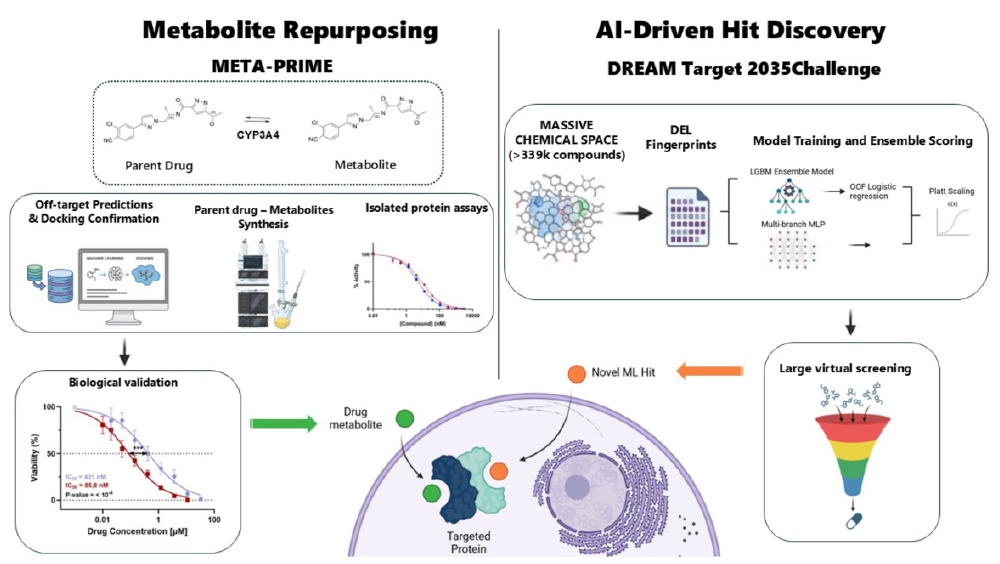
- Develop and apply AI approaches to accelerate the design and optimization of small-molecule therapeutics for cancer.
- Use systems chemical biology approaches to uncover novel biological activities of drugs and their metabolites and exploit them for precision oncology.
- Translate computational discoveries into therapeutic opportunities through close collaboration with clinicians, translational scientists, and industry partners.
- Contribute to international open science initiatives and benchmarking efforts to advance AI-driven drug discovery and data sharing across the biomedical community.
- Train the next generation of multidisciplinary scientists at the interface of artificial intelligence, chemistry, and cancer biology
- Established the AI-Driven Drug Discovery Group at VHIO, strengthening the institute’s capabilities in AI–enabled, small-molecule drug discovery.
- Strategic contribution to launching LIGAND-AI, an Innovative Health Initiative (IHI) public-private consortium recently funded with >60M€ aimed at generating large-scale protein–ligand data to improve AI methods for early drug discovery.
- Achieved strong performance in the first global DREAM Target 2035 Drug Discovery Challenge, demonstrating the potential of our machine learning approaches for identifying novel bioactive compounds.
- Discovered unique activities of five cancer drug metabolites, distinct from their parent drugs, that could open new treatment opportunities in prostate cancer and as immunotherapies, and that we are validating further.
- Discovered four small molecules that reactivate hyperactivated TILs and could be used to improve the ex vivo manufacturing of advanced cell therapies that we are also validating further.
- Contributed to several collaborative publications, including LIGAND-AI’s roadmap paper published in Nature Reviews Chemistry.
- Develop next-generation AI methods for the integration of large-scale chemical and biological data to improve hit identification for challenging targets. One particular focus will be leveraging additional fragment screening data for model improvement using transfer learning and starting to explore the development of next-generation foundational models.
- Advance open data generation and benchmarking initiatives for AI-driven drug discovery, including contributions to the LIGAND-AI project and future DREAM Target 2035 community challenges.
- Expand our systems chemical biology research on drug metabolites to explore the impact of drug metabolites on drug combinations using active learning to improve combinatorial strategies in precision oncology.
- Identify new small molecules that enhance lymphocyte fitness even further and explore their application to improve other steps of TIL manufacturing and other cell therapies like CAR-T cells in collaboration with translational researchers, clinicians and industry partners.
- Edwards AM, Owen DR; Structural Genomics Consortium Target 2035 Working Group. Protein-ligand data at scale to support machine learning. Nat Rev Chem. 2025 Sep;9(9):634-645.
- Sanfelice D, Antolin AA, Crisp A, Chen Y, Bellenie B, Brennan PE, Edwards A, Müller S, Al-Lazikani B, Workman P. The Chemical Probes Portal - 2024: update on this public resource to support best-practice selection and use of small molecules in biomedical research. Nucleic Acids Res. 2025 Jan 6;53(D1):D1663-D1669.
- Boni J, Fernández-González M, Han H, Roca C, Wong CJ, Rioja C, Nogué C, Manen-Freixa L, Boulais J, Torres-Urtizberea E, Gomez A, Hasselblatt M, Estrada-Tejedor R, Antolin AA, Elkholi IE, Jabado N, Côté JF, Gingras AC, Rivera B. Concurrence of FGFR1 mutations modulates oncogenesis in glioneuronal tumors. EMBO J. 2025 Dec;44(24):7513-7540.
- Albert Antolin was invited as a speaker at the Spanish Association for Cancer Research (ASEICA) International Congress, 08 - 10 October 2025 (Bilbao, Spain), the Conscience Symposium on Open Drug Discovery, 07 - 08 April 2025 (Montreal, Canada), the AI in Drug Discovery and Biomedicine Conference, 31 March – 02 April (Barcelona, Spain), and the 4th International Conference on Systems Medicine, AI & Drug Repurposing , 24 – 26 September (Barcelona, Spain).
- He was also invited to give a Seminar at the Institute Germans Trias I Pujol (Badalona, Barcelona, Spain) and teach at both the European School of Medicinal Chemistry ESMEC (Urbino, Italy) and the 1st EuChemS Chemical Biology School, 08 -11 July (Madrid, Spain).
- In 2025, Albert was appointed as a Member of the QSAR, Chemoinformatics and Modeling Society’s (QCMS) International Scientific Advisory Committee. As part of this role, he is a co-organizer of the bi-annual European Symposia on Quantitative Structure-Activity Relationships (EuroQSAR).